
.png)


.svg)
Understanding Dry Rot and Its Impact
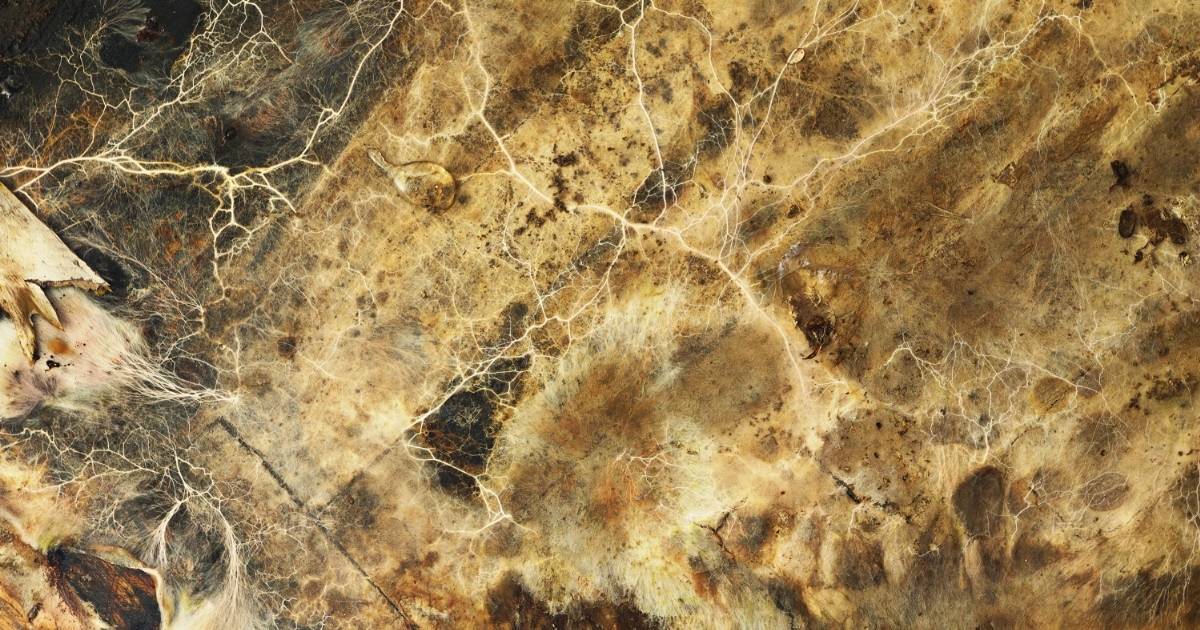
Dry rot is a type of fungal decay caused by the fungus Serpula lacrymans, which attacks both structural timber and wood used in repairs. It thrives in damp, poorly ventilated areas and can weaken beams, window sills, and floorboards. Unlike typical wood decay, dry rot spreads aggressively, even traveling through masonry and plaster to infect surrounding wood.
This infestation is serious because it compromises the structural integrity of your home. The fungus spores can remain dormant in damp conditions for long periods, waiting for moisture content of around 20% or higher to thrive. Early detection and timely dry rot treatment are essential to prevent costly repairs and limit structural damage.
Dry rot fungus is a particular species that can produce more spores and spread extensively, making it a serious problem in both old and new buildings within the built environment. The fungus can trap moisture in affected timber and surrounding wood, accelerating wood damage if left untreated.
Signs & Symptoms of Dry Rot
Catching dry rot early can save you thousands in repair costs. Homeowners should watch for both visible and subtle signs in timber:
- Crumbly or brittle wood: Timber may break apart easily or feel spongy.
- Shrinking, warping, or cracking timber: Structural deformation occurs as wood loses integrity.
- Fungal growth: White, cotton-like mycelium or reddish-brown fruiting bodies may appear.
- Peeling, blistering, or discolored paint: Moisture trapped in wood can cause surface finishes to bubble or peel.
- Musty, damp smell: A persistent, earthy odor in enclosed areas such as basements, attics, or cupboards indicates fungal activity.
- Wet areas or damp wood: Dry rot requires wet timber or a wet area to start, so check places where wood meets concrete or where moisture collects.
Regular inspections, especially in damp or poorly ventilated areas, help catch rot before it spreads. Early detection often determines whether a simple DIY wood rot repair is sufficient or if professional intervention is needed.
Documenting the full extent of the affected areas is crucial to planning an effective dry rot treatment and preventing future outbreaks.
How to Repair Dry Rot Wood: DIY Approaches
Knowing how to repair dry rot starts with understanding the extent of the damage and whether simple wood rot repair methods are enough. Even small infestations can worsen quickly if left untreated.
1. Identifying and Removing Damaged Wood
- Inspect wood, plaster, paint, and masonry surfaces for rot.
- Remove all decayed wood until only sound timber remains, cleaning surrounding areas with a wire brush to eliminate fungus spores.
- Even small patches of rotted wood must be removed completely to prevent re-infestation.
- Pay special attention to window sills, door frames, and other non-structural wood that may be affected.
2. Treating Remaining Wood
- Apply wood treatment for dry rot, such as boric acid-based solutions or specialized rot inhibitors.
- Organic solvent-based fungicides penetrate damp wood better than water-based solutions.
- For deeper penetration, boron-based rods can be inserted into drilled holes to slowly release fungicide.
- These treatments help kill dry rot fungus and protect the surrounding wood.
3. Filling Gaps and Reinforcing
- Restore wood structure with epoxy fillers or wood hardeners.
- Sand lightly and seal surfaces to maintain finish and protect treated areas.
- Allow all materials to be fully cured before proceeding with finishing.
Note: DIY repair is best for minor damage, like window sills, doors, or small beams. Structural timber or widespread infestation should be handled professionally.
Dry Rot Wood Treatment: Tools & Materials Needed
- Safety gear: gloves, mask, goggles
- Chisels, scrapers, wire brush, sandpaper
- Borate-based wood preservative or anti-fungal solutions
- Epoxy or wood filler and wood hardener
- Brushes or applicators for solutions and spray fungicides
Proper preparation ensures effective treatment and reduces the risk of re-infestation.

Professional Dry Rot Treatment Methods
When dry rot infestation is extensive or involves structural timber, professional treatment of dry rot in wood is the only option to ensure safety and effectiveness.
1. Assessing the Full Extent
- Professionals inspect all affected areas, including hidden timber behind walls or under flooring.
- They identify the full extent of the infestation to plan comprehensive treatment.
2. Removing Dampness and Repairing Building Defects
- The first priority is to find and remove the dampness within the building that caused the outbreak.
- Repairs to gutters, plumbing, ventilation, and drainage are essential to prevent further moisture ingress.
- Without fixing the moisture source, dry rot will likely return.
3. Removing Affected Timber and Building Fabric
- All affected timber is removed, often extending beyond visible damage to ensure complete eradication.
- Sometimes, removal of plaster, flooring, or masonry is necessary to access hidden rot.
4. Applying Fungicides
- Fungicides based on organic solvents are used for better penetration into wood than water-based solutions.
- Boron-based fungicides can be supplied in glass-like rods inserted into holes drilled into the wood, releasing fungicide over time.
- Masonry and walls may be treated with fungicidal sprays or injections to kill fungal strands passing through.
5. Environmental Control
- The environmental approach emphasizes controlling moisture by increasing ventilation and reducing timber moisture levels.
- Pastes and boron rods may be used to restrict fungus spread and protect critical timbers while the building dries.
6. Advanced Treatments
- Experimental methods such as microwave treatments or controlled heat application have been trialed but require further research.
- Biological controls using Trichoderma fungi show promise in lab tests but have mixed field results.
Wood Rot Repair vs Replacement: Making the Right Choice
Deciding whether to repair or replace damaged wood depends on the severity and location of dry rot.
- If dry rot has infected structural support areas such as beams, joists, or floorboards, replacement is highly recommended.
- Repairing dry rot risks not removing all affected timber, allowing the fungus to spread deeper.
- For minor, non-structural damage, repair with wood hardeners and fillers may suffice.
- Always address the moisture source before starting repair or replacement.
- If unsure about the full extent of damage, consult a professional contractor for assessment.
Replacing damaged wood is a tedious but necessary process to restore structural integrity and prevent further damage.
Dry Rot Repair Cost & Budgeting
Dry rot repair costs often determine whether DIY dry rot treatment vs professional repair is chosen. The table below shows typical ranges, though actual costs can vary depending on the severity of the damage.
Factors Affecting Cost:
- Extent of damage and infestation
- Accessibility of affected wood
- Structural importance (load-bearing vs cosmetic)
- Type of treatment, including use of rot-resistant or pressure-treated wood replacement
Cost Savings with Environmental Approach
- The overall cost of using the environmental approach to treat dry rot is often less than traditional methods.
- Case studies show savings of up to one third in remedial works and timber replacement.
- However, the costs of repairs to rectify building defects causing moisture ingress remain similar regardless of treatment.
Product Costs
- Ready-to-use dry rot treatment solutions typically cost around $15–$20 for a five-liter container, depending on the brand and formulation.
- Concentrated masonry fungicide treatments are approximately $22–$25 per liter, though prices may vary by supplier and product strength.
Post-Repair Care & Best Practices for Dry Rot
Effective treatment combines repair, chemical application, and maintenance to prevent recurrence:
Homeowner Maintenance
- Apply protective coatings and sealants to exposed wood, especially end grain.
- Ensure proper ventilation and drainage; maintain gutters and water runoff.
- Inspect wood regularly for early signs of rot, peeling paint, or blistering surfaces.
- Use rot-resistant or pressure-treated wood for replacements.
- Keep wood dry and avoid trapping moisture in building materials.
Professional Best Practices
- Remove and replace structurally compromised wood with rot-resistant timber.
- Apply fungicidal solutions combined with long-lasting preservatives or wood hardeners.
- Monitor and address moisture sources to prevent recurrence.
- Emerging approaches, such as microwave treatments or biological control with Trichoderma fungi, are experimental but show promise in specialized applications.
Combining proper maintenance, structural repair, and chemical treatment ensures long-lasting protection and helps prevent expensive wood rot repair projects in the future.
Preventing Dry Rot: Tips to Keep Your Home in Tip Top Shape
Prevention is the best way to avoid dry rot and costly repairs:
- Regularly inspect areas where wood meets concrete or soil.
- Keep gutters clean and ensure proper drainage away from the house.
- Maintain good ventilation in crawl spaces, attics, and basements.
- Seal exposed wood surfaces, especially end grain, to prevent moisture absorption.
- Use rot-resistant wood species or pressure-treated wood in vulnerable areas.
- Address leaks or condensation issues promptly.
- Avoid trapping moisture in walls or floors by using appropriate vapor barriers and insulation.
Protecting Your Home from Dry Rot Damage
Dry rot is a serious threat to wooden structures. Understanding proper treatment, from DIY fixes to professional repair, is essential for homeowners. While minor dry rot damage can sometimes be managed at home, extensive or structural infestations require expert attention. Early detection, proper repair, and ongoing maintenance protect your home, preserve structural integrity, and prevent expensive future damage.
If you’re dealing with persistent wood decay or suspect structural damage, professional help can make a major difference. Rot Doctor specializes in diagnosing and resolving wood rot problems, including dry rot treatment and wood rot repair for homes and buildings. Contact our team today to schedule an inspection or reach out to discuss the best solution for your home.
FAQs
1. What is the difference between dry rot and wood rot?
Dry rot spreads quickly through wood and can penetrate masonry, while general wood rot grows more slowly and stays limited to damp timber. Early detection is key because dry rot compromises structures faster.
2. Can I fix dry rot myself?
Small, superficial areas can be treated with boric acid solutions, wood hardeners, or epoxy fillers. DIY repair works for minor rot but isn’t foolproof; ongoing monitoring is necessary. If the rot returns or spreads, professional repair is advised.
3. How much does professional dry rot repair cost?
Costs range from $500 to $3,000+, depending on infestation size, structural importance, and accessibility. Professionals provide long-term solutions that often prevent costly repeat damage.
4. What chemicals are used in dry rot treatment?
Borate-based solutions, solvent fungicides, wood hardeners, and epoxy consolidants are common. Professionals often combine treatments for deeper penetration and longer-lasting results.
5. How do I prevent dry rot in the future?
Control moisture, ensure proper ventilation, seal end grain, and keep gutters clean. Regular inspections and protective coatings further reduce recurrence. Preventive care is simpler and cheaper than repeated repairs.
6. When should I call a professional for dry rot?
Call experts for structural timber, widespread damage, or failed DIY treatment. Professionals ensure safety, compliance with building codes, and long-term protection.
7. Is wood rot repair covered by insurance?
Coverage varies; most policies exclude damage from neglect or gradual decay. Sudden water damage may be covered, but confirm specifics with your insurer.
8. How long does it take for dry rot to spread?
In damp, poorly ventilated areas, dry rot can spread in months, often through hidden timber and masonry. Early detection is crucial to prevent structural compromise.

.svg%20fill.svg)




.svg)