
.png)


.svg)
What Causes Window Sill Dry Rot
Wooden window sills are constantly exposed to the elements. Rain, condensation, humidity, and poor sealing can allow moisture to penetrate the wood over time. When moisture remains trapped in the wood fibers, fungi begin to grow and feed on the cellulose inside the timber.
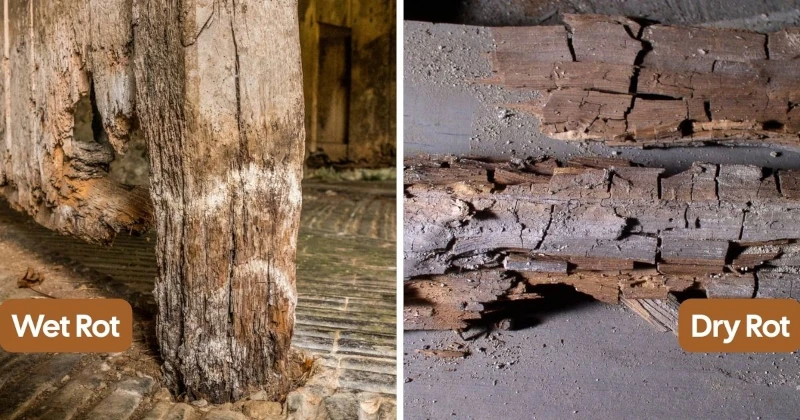
This fungal activity eventually leads to window sill dry rot, weakening the wood and causing it to crumble. The problem often starts small but spreads gradually if left untreated. A neglected dry rot window sill may eventually compromise the surrounding window frame, window trim, brick mold, and nearby wooden structures.
Several factors commonly contribute to the development of dry rot:
- Cracked or deteriorated exterior paint
- Poor window sealing or damaged caulking
- Prolonged exposure to rainwater and clogged gutters that direct water onto the sill
- Condensation buildup on interior sills from warm indoor air meeting cooler glass surfaces
- Lack of ventilation around windows
Because moisture is the main trigger, areas with frequent rainfall or fluctuating humidity are particularly vulnerable. Keeping wooden sills properly sealed, maintaining caulking, and ensuring gutters and downspouts effectively divert water away is the best way to prevent window sill dry rot from developing in the first place.
Signs and How to Identify Dry Rot on Window Sills
Understanding how to identify dry rot is one of the most important steps in preventing serious structural damage. Early detection allows you to repair affected wood before the rot spreads deeper into the frame.
The most common warning signs include visible changes in the wood’s appearance and texture.
Discoloration
One of the earliest indicators of window sill dry rot is uneven discoloration. The wood may appear darker than surrounding areas or develop yellowish or gray patches. This change often begins in spots where moisture collects.
Soft or Spongy Wood
Healthy wood should feel firm and solid. If pressing on the sill causes the surface to sink or feel spongy, the wood fibers have likely begun breaking down. This is a strong indicator of a developing dry rot window sill problem.
Cracks and Splitting
As dry rot progresses, the wood may begin cracking along the grain. These cracks can widen over time and eventually cause pieces to break away from the sill.
Musty Odor
Fungal growth sometimes produces a faint earthy or musty smell. If you notice this odor around a window area, it may indicate hidden window sill dry rot even before the damage becomes clearly visible.
Spotting these signs early makes it much easier to address the issue before it spreads to other parts of the window frame and window trim.
Inspecting a Dry Rot Window Sill at Home
Routine inspections are one of the simplest ways to detect window sill dry rot before it becomes severe. Homeowners can perform a basic inspection using simple tools and careful observation.
Start by visually examining the sill from both the interior and exterior sides of the window. Pay close attention to corners and edges where water tends to collect.
Next, gently probe the wood using a screwdriver, putty knife, or awl. If the tool easily sinks into the wood, this indicates internal decay. A soft spot in one area may signal that window sill dry rot has already begun spreading beneath the surface.
It is also important to check nearby areas, including:
- Window frames
- Window trim boards
- Brick mold
- Exterior siding near the sill
- Interior wall edges beneath the window
Catching a dry rot window sill early often allows for targeted repairs instead of major reconstruction.
Window Sill Dry Rot Repair Options
When window sill dry rot is discovered, the repair approach depends on how extensive the damage is. Small sections of rotted wood can often be repaired, while severely damaged sills may need replacement.
For minor decay, homeowners can perform window sill dry rot repair using specialized wood restoration products. These materials stabilize the remaining wood and rebuild the damaged sections.
If you’re researching how to repair dry rot in a window sill, the general repair process involves several key steps:
- Remove all loose, soft, or crumbling wood from the affected area using a chisel, utility knife, or putty knife to ensure no rotten wood remains.
- Drill several holes in the remaining good wood to allow better penetration of wood hardener and preservatives.
- Apply a wood hardener generously with a brush to strengthen the remaining material and prevent further damage.
- Fill the damaged area with a two-part wood epoxy or strong wood filler, shaping it to match the original contour of the sill.
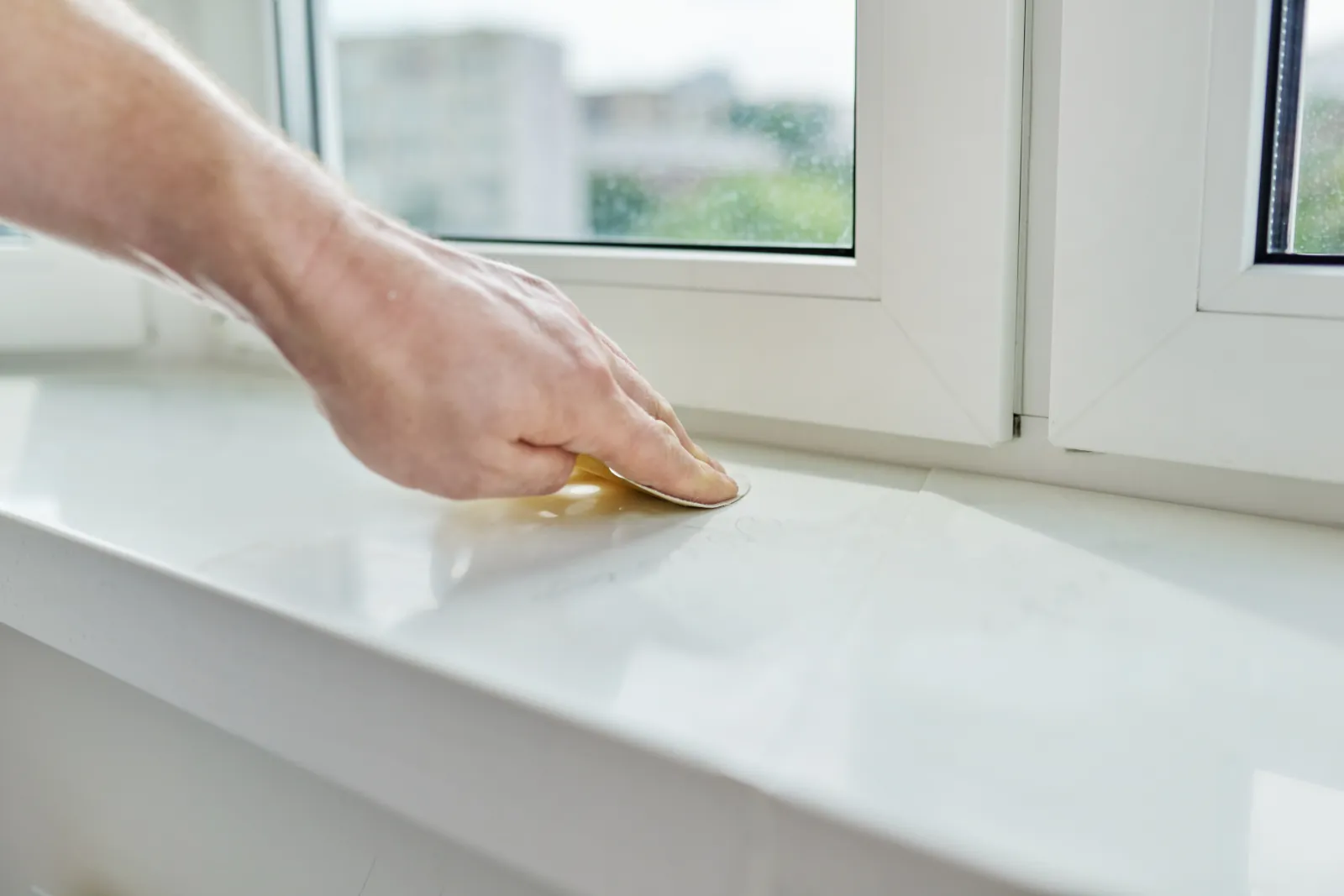
- Sand the repaired section smooth to blend with the rest of the window sill and window trim.
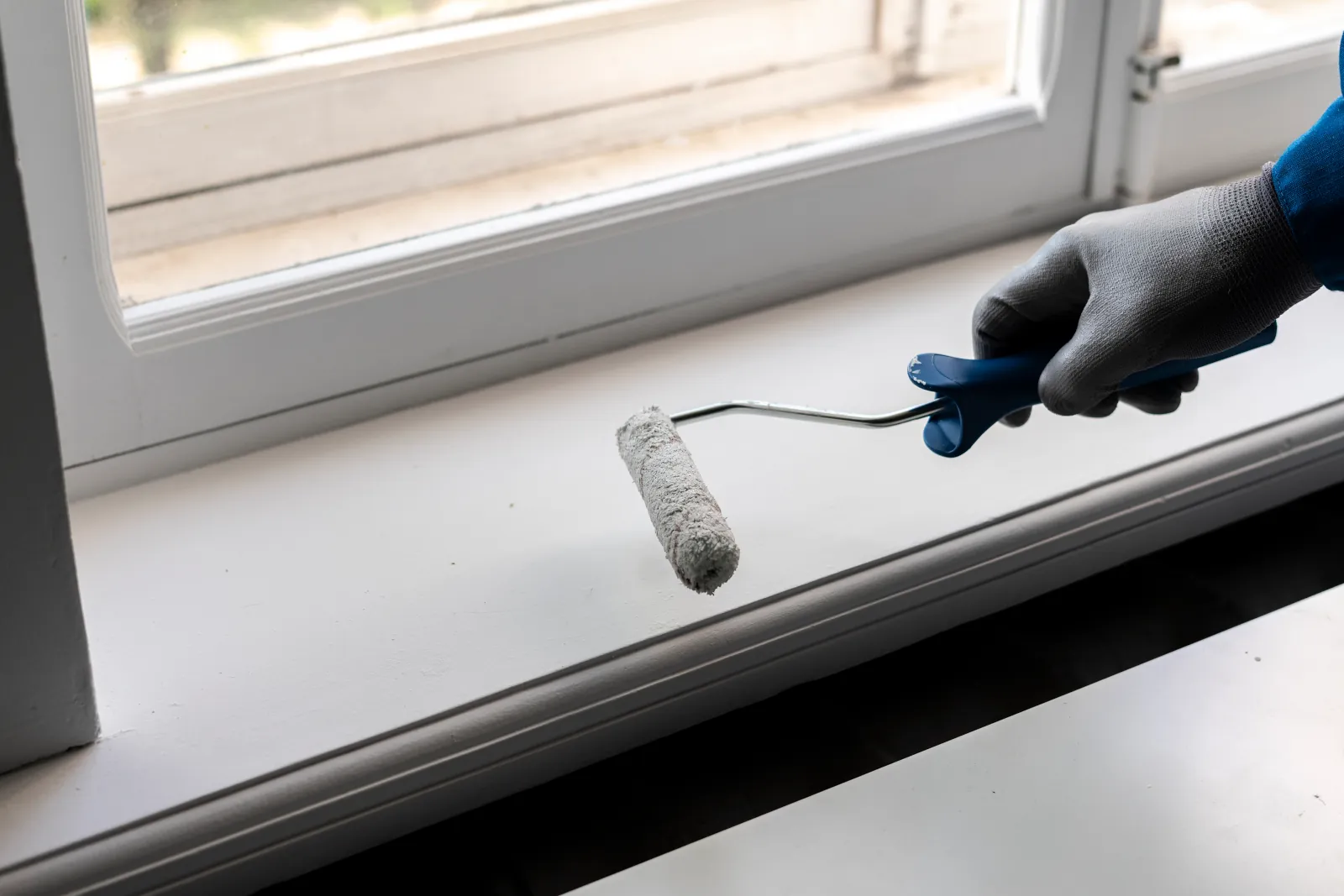
- Seal and repaint the surface with primer and exterior paint to protect it from moisture.
Following these steps allows homeowners to fix dry rot window sill damage while preserving most of the original structure.
However, if the rot has spread deeply into the wood or affects a large portion of the entire window sill or surrounding window frame, professional repairs may be necessary. Contractors can remove the damaged section and install new wood or a new sill to restore the window structure and maintain structural integrity.
How to Fix Dry Rot on Window Sill
Learning how to fix dry rot on window sill surfaces properly is important for preventing recurring damage. Simply covering the rot with paint or filler will not stop the problem if the decayed wood remains underneath.
Start by removing all soft or infected wood using a chisel, utility knife, or putty knife. This step ensures the fungus cannot continue spreading through the structure.
Once the damaged wood has been cleared, drill holes in the remaining good wood to improve wood hardener penetration. Apply a wood hardener with a brush, covering all exposed surfaces thoroughly. This chemical solution strengthens weakened fibers and prepares the surface for filler.
Next, apply an epoxy filler or wood epoxy to rebuild the missing sections of the sill. Epoxy works well because it bonds strongly to wood and resists moisture. After the filler cures, sand the surface until it blends smoothly with the original sill.
The final step is sealing the repaired wood. Apply primer followed by exterior paint to create a protective barrier against water. This process helps prevent new moisture from triggering additional window sill dry rot.
Properly completing these steps ensures that homeowners truly fix dry rot window sill damage instead of temporarily hiding it.
How to Prevent Dry Rot Window Sill
Preventing damage is always easier than repairing it. Learning how to prevent dry rot window sill problems begins with controlling moisture exposure around your windows.
The most effective prevention strategies focus on keeping wooden sills dry and properly sealed.
Maintain Exterior Paint and Caulking
Paint acts as a protective barrier that prevents water from soaking into wood. When paint begins cracking or peeling, moisture can easily penetrate the surface. Repainting sills regularly helps prevent window sill dry rot from forming.
Damaged or cracked caulking around window frames allows rainwater to seep behind the sill. Inspecting and replacing old sealant annually keeps moisture from entering vulnerable areas.
Improve Ventilation and Drainage
Condensation from indoor humidity can accumulate on window surfaces. Improving airflow in kitchens, bathrooms, and bedrooms helps reduce moisture buildup.
Cleaning gutters and downspouts regularly prevents overflow that can saturate window sills. Proper drainage directs water safely away from the house.
Install Drip Caps
Drip caps are small but effective components placed above windows. They deflect rainwater away from the sill, keeping edges dry and safe.
Without drip caps, water often runs down the siding and settles on the sill, causing damage over time. Installing drip caps is a simple project that prevents rot and extends the life of new or existing windows.
When to Call a Professional
While many small repairs are manageable for homeowners, some cases of window sill dry rot repair require professional expertise.
You should consider contacting a contractor if:
- The rot covers a large portion of the entire window sill
- The damage extends into the window frame or entire window
- The wood crumbles deeply beneath the surface
- Multiple windows show signs of decay
Professional repairs often involve removing the entire damaged section and installing new wood or a new sill. This approach ensures the rot does not return and restores the structural strength of the window system.
Addressing a dry rot window sill quickly can prevent more expensive structural repairs later.
Keeping Window Sills Strong and Rot-Free
Window sill dry rot may begin as a small patch of damage, but it can spread and weaken the wood if left untreated. Recognizing early warning signs and inspecting your window sills regularly helps prevent more serious structural issues.
Addressing moisture problems, sealing exposed wood, and repairing minor decay promptly can keep your window sills in good condition. With proper maintenance and timely repairs, homeowners can prevent rot from spreading and extend the life of their windows.
If you’re unsure whether rot has started or how far the damage has progressed, getting a professional opinion can make a big difference. Our team at Rot Doctor works with homeowners in Bellevue to locate the source of moisture, evaluate affected wood, and recommend practical repair solutions.
If you suspect dry rot or want a professional assessment, feel free to reach out. We're here to help you protect your home and keep moisture problems from getting worse.
FAQs
How do I know if my window sill has dry rot?
Signs of window sill dry rot include soft or crumbly wood, discoloration, cracking, and a musty odor. A simple probe test with a screwdriver or putty knife can help confirm the damage.
Can I fix a dry rot window sill myself?
Yes, small areas can often be repaired using wood hardener and epoxy filler to fix dry rot window sill damage. Larger areas may require professional repair.
How quickly does window sill dry rot spread?
Once moisture remains present, window sill dry rot can spread gradually through the wood fibers and into nearby structures if untreated.
What causes dry rot in window sills?
Moisture from rain, condensation, poor sealing, damaged paint, clogged gutters, and faulty caulking commonly leads to a dry rot window sill problem.
What is the best way to fix dry rot on window sill surfaces?
The most effective method for how to fix dry rot on window sill areas involves removing decayed wood, drilling holes in remaining wood, applying wood hardener, filling with epoxy, sanding, and sealing the surface.
How can I prevent dry rot window sill damage?
Learning how to prevent dry rot window sill problems involves maintaining paint and caulking, improving ventilation, cleaning gutters, installing drip caps, and keeping sills dry.
When should I replace instead of repair a window sill?
If window sill dry rot repair would require removing large sections of wood or if the rot has spread into the window frame or entire window, replacement may be the better long-term solution.

.svg%20fill.svg)





.svg)