
.png)


.svg)
Dry rot repair in Bellevue, WA can cost anywhere from a few hundred dollars for a small localized fix to several thousand dollars for a more involved repair.
In 2026, Angi reports that many dry rot repair projects fall in the $500 to $3,000 range, with an average cost of about $1,400. Angi also notes that more severe jobs involving structural repairs, moisture remediation, or difficult access can climb as high as $10,000.
Bellevue homeowners may also see higher-than-average pricing because Seattle-area labor costs run above national norms.
There is no single flat price for dry rot repair cost. A small repair around window trim is a very different job from rebuilding a rotted beam end or opening up siding to fix hidden moisture damage.
Once you understand the biggest cost drivers, it becomes much easier to estimate what your project might look like, what can raise the total cost, and when it makes sense to act before minor damage turns into costly repairs.
Quick Answer: What Homeowners Can Expect to Pay
The simplest answer is this: the cost of dry rot repair usually depends on how much wood is affected, where the damage is located, and whether the repair is cosmetic, partial replacement, or structural.
Here is the practical pricing takeaway:
- Small, localized repairs can start in the hundreds of dollars
- Many standard dry rot repair projects fall in the $500 to $3,000 range
- The reported average project cost is about $1,400
- Severe repairs that involve structural wood, hidden moisture issues, or major rebuilding can rise toward $10,000
That wide spread is completely normal. Repair costs vary widely depending on the extent of damage, the affected area, access conditions, material matching, and the labor needed to restore strength and prevent the rot from returning.
Why Bellevue Costs Can Run Higher Than National Averages
One reason the average cost of dry rot repair Bellevue WA 2026 may feel high is simple: Bellevue sits in a more expensive labor market than much of the country.
According to the Bureau of Labor Statistics, the Seattle-Tacoma-Bellevue metro had a mean hourly wage of $43.16 across all occupations in May 2024, compared with $32.66 nationally. For construction and extraction occupations, the metro mean was $41.17.
In real-world terms, that means local projects can cost more because:
- Local labor rates are higher
- Skilled repair work is more expensive in the Puget Sound area
- Exterior repairs often require more setup, access, and finish work
- Structural and moisture-related jobs need more specialized labor
- Permit-related project costs may apply for some larger repairs in Bellevue
We see this pattern often. What looks like a simple patch at first can turn into a larger rebuild once we uncover compromised wood, trapped moisture, or deeper structural components behind the finished surface.
What Affects the Cost of Dry Rot Repair?
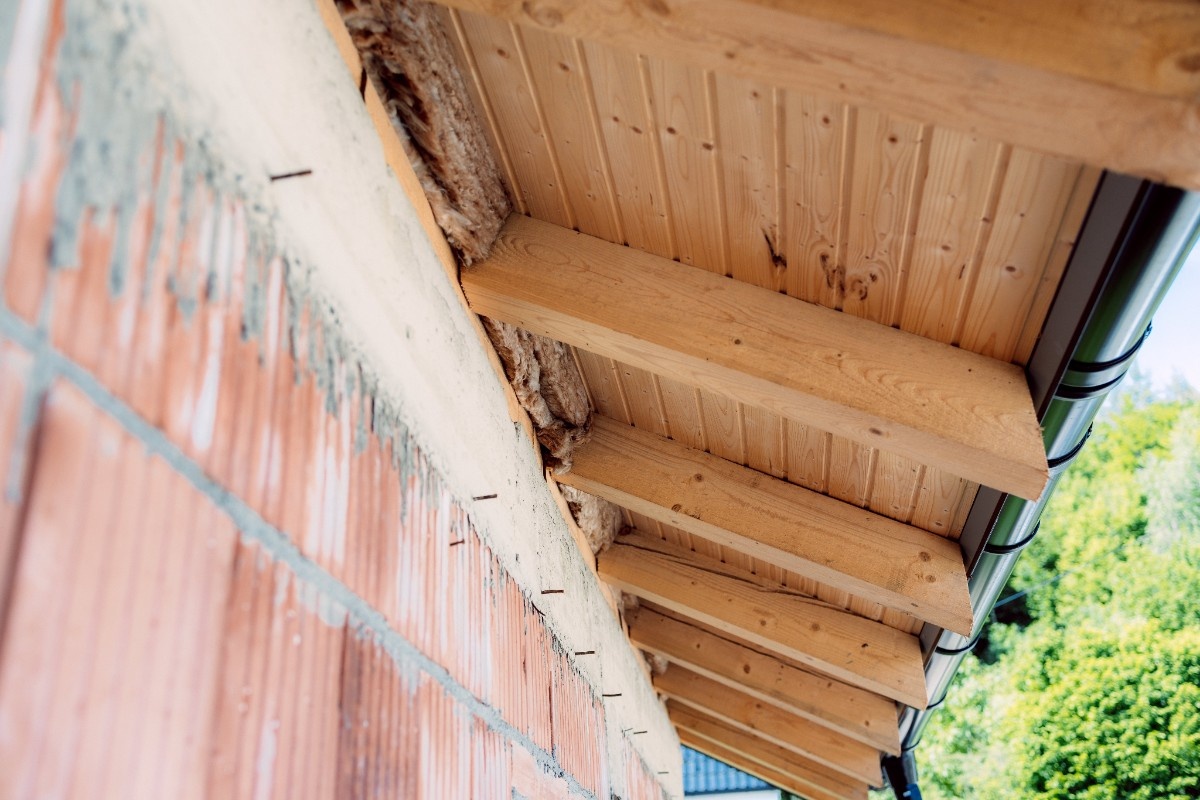
When you ask, how much does dry rot repair cost, the answer usually comes down to a few key factors.
Extent of Damage
The biggest factor is the extent of damage. A small patch of dry rot wood on trim is one type of job. Rot that has spread into framing, siding assemblies, or support members is something else entirely.
The more advanced the damage, the more likely the repair will need:
- Removal of damaged wood
- Full replacement instead of patching
- More labor for demolition and rebuilding
- Better moisture control to stop future decay
This is why minor repairs, moderate repairs, and extensive repairs can vary so much in price, even within the same home.
Location of the Rot
Location matters almost as much as severity. Repairs around window sills, window trim, or door frames are often easier to access than repairs buried behind siding, roofing edges, or load-bearing framing.
Common areas where we often find wood rot and dry rot include:
- Window trim
- Window sills
- Door frames
- Deck boards and deck framing
- Siding and exterior trim
- Fascia, soffits, and chimney wood rot
- Framing near roofs and deck connections
- Other exposed structural elements
The harder it is to access the affected wood, the more likely the labor side of the job goes up.
Structural Involvement
Once rot reaches structural wood, the project gets more serious. When dry rot affects areas like floor joists, beams, wall framing, or roof rafters, it can impact your home’s safety, stability, and long-term structural integrity.
Structural work often involves:
- More demolition
- More rebuild time
- More expensive materials
- Greater attention to structural integrity
- Possible structural reinforcement
That is why structural repairs are often the most expensive category of rot repair cost.
Moisture Intrusion and Hidden Damage
Dry rot almost never appears on its own. It usually points to a moisture source. Public cost guidance notes that moisture control and prevention work may be needed to stop the issue from coming back.
Once we open up the area, the project can grow to include:
- Hidden rotted wood
- Wet insulation
- Leaks or flashing issues
- Mold remediation
- Additional replacement of surrounding materials
This is one of the biggest reasons repair costs can rise after a thorough inspection or once demolition begins.
Dry Rot Repair Cost by Type of Repair
Instead of relying on a rigid price chart, it helps to think about the repair in categories.
Small Surface-Level Repairs
These are the lightest repairs and often the least expensive. You might have early-stage decay in trim, a soft sill edge, or an isolated patch in a non-structural board.
These jobs may include:
- Cutting out a small damaged section
- Limited use of wood filler in very selective cases
- Replacing a small trim piece
- Sealing and repainting the repaired area
This is where fixing dry rot can sometimes stay in the lower end of the overall cost range, especially when the moisture problem is simple and the damage is caught early.
Partial Replacement Repairs
This is the middle ground most homeowners run into. Maybe a section of siding has softened and needs rot repair, a door surround has wood decay, or part of a deck edge needs to be rebuilt.
These repairs often involve:
- Removing and replacing affected wood
- Matching visible trim or siding details
- Correcting water entry points
- Repainting and resealing after the repair
A lot of ordinary dry rot repair cost projects live in this range because the work is more than cosmetic, but not yet a major structural rebuild.
Structural and Rebuild Repairs
This is where structural wood rot repair becomes necessary — not just patching surface boards, but rebuilding the load-bearing components that keep the home sound.
These projects may require:
- Opening up finished assemblies
- Full replacement of damaged wood
- Rebuilding support members
- Added labor for safe access and reconstruction
- Permit-related review in some cases in Bellevue
This is where extensive damage, necessary repairs, and structural safety become the priority, not just appearance.
Is Dry Rot Repair Priced Per Square Foot?
Sometimes, yes. Dry rot repair is often priced partly by square foot or linear foot, especially for siding, trim, fascia, and other exterior wood components. For many common repairs, pricing may fall around $5 to $40 per square foot, depending on the scope of work.
That said, size alone does not determine the final price. Two repairs with the same square foot count can cost very different amounts based on access, hidden damage, material matching, and whether structural repairs are needed.
So while per square foot pricing can be useful for rough planning, it should never be the only number you use to estimate the cost of dry rot repair..
Signs Your Dry Rot Repair May Cost More Than Expected
One thing we always tell homeowners is that visible rot is often only part of the problem. The surface clue might be small, but the underlying damage can be much bigger.
Watch for these signs:
- Musty smell
- Musty odor
- Soft or spongy wood
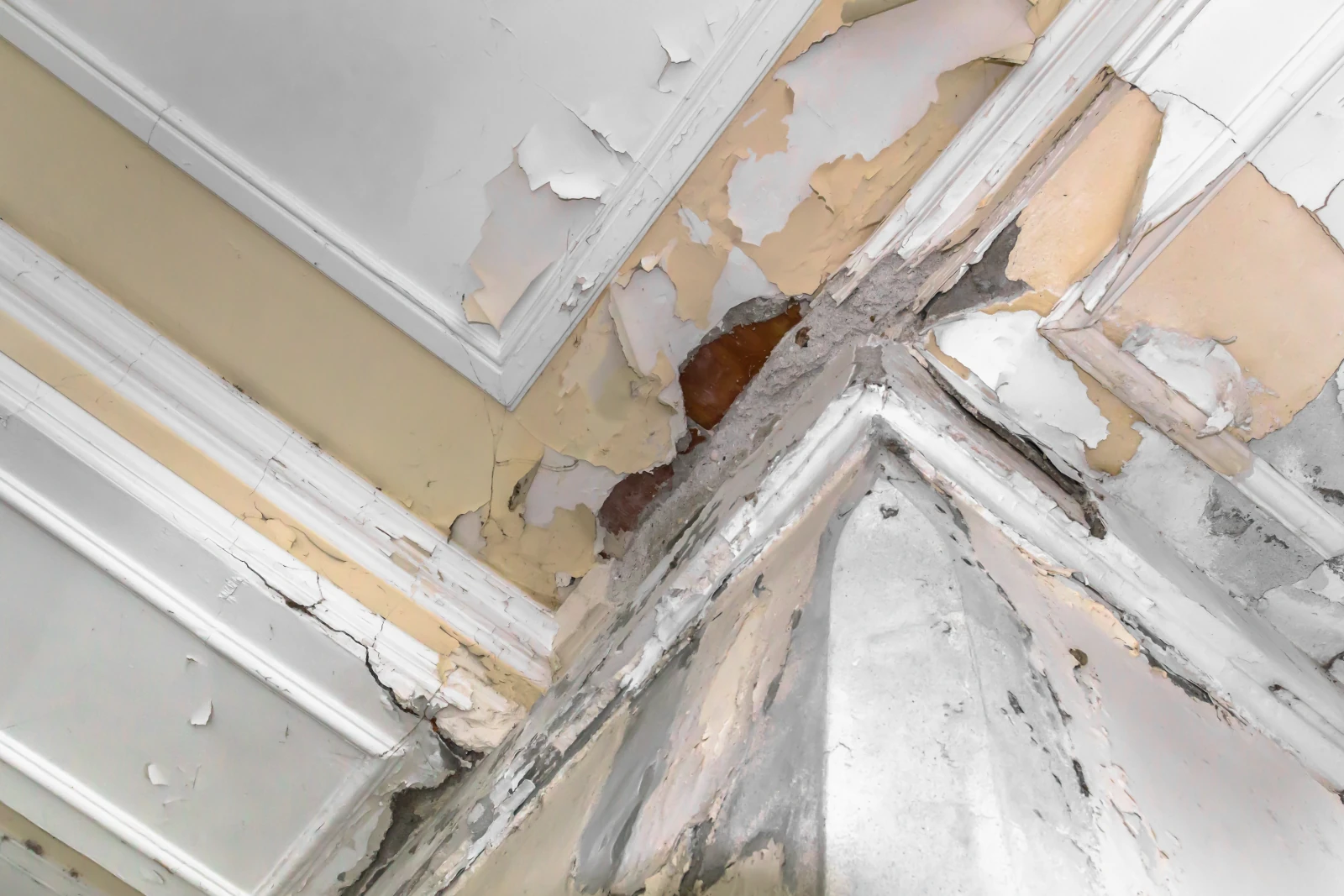
- Peeling paint over damp surfaces
- Swollen trim or siding
- Cracks, splits, or crumbling wood fibers
- Ongoing moisture around openings
- Visible fungal growth
- Sagging or weakened boards
These warning signs can point to hidden wood rot, long-term moisture buildup, or more widespread compromised wood behind the surface. When that happens, the cost to repair dry rot usually increases because the repair scope expands.
Repairing Dry Rot vs. Replacing Rotten Wood
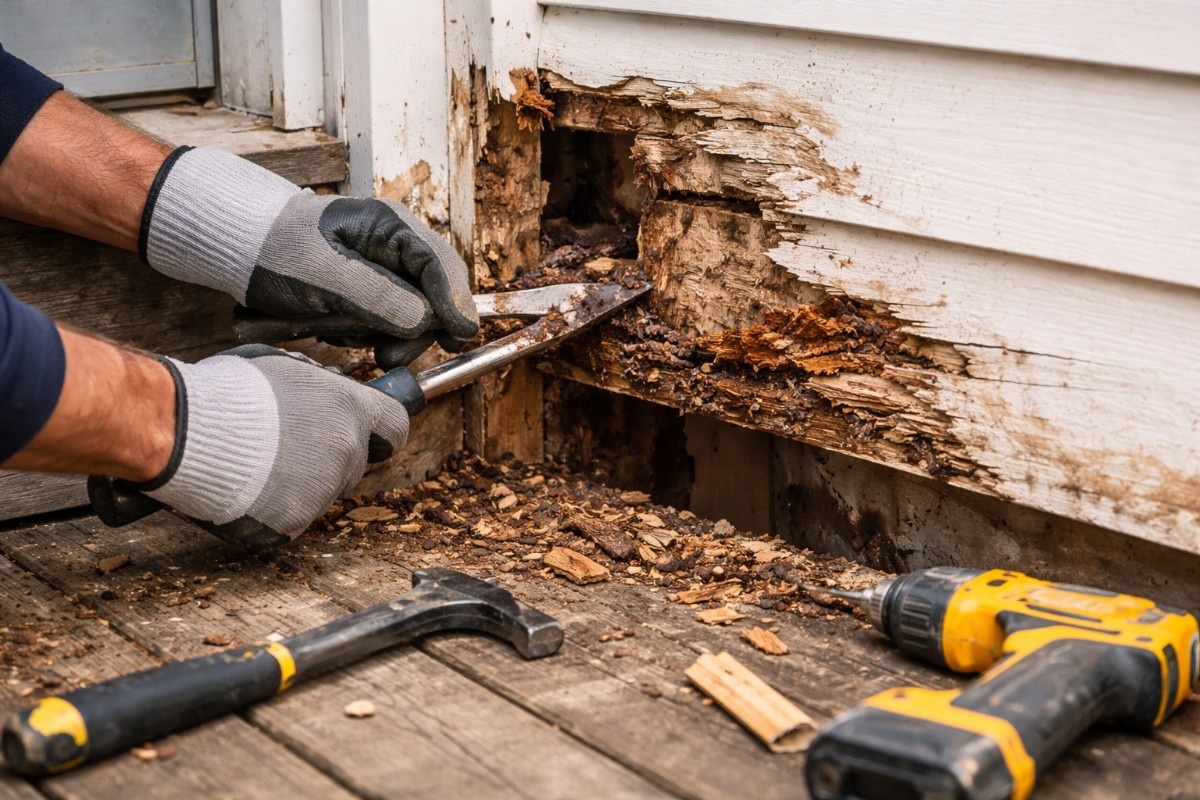
A lot of homeowners want to know whether repairing dry rot means saving the wood or replacing it. The answer depends on how deep the decay goes.
When Repair May Be Possible
A limited problem may allow for:
- Trimming out a small damaged section
- Stabilizing surrounding sound material
- Limited use of wood filler
- Sealing and protecting the area afterward
This is usually the best-case scenario and tends to align with minor repairs.
When Replacement Is the Better Option
Once the wood loses strength, spreads deeper into the assembly, or affects a support area, the better solution is usually to replace damaged wood.
That is especially true when:
- The wood no longer has enough strength
- The rot has spread behind visible surfaces
- Moisture has been present for a long time
- The affected section plays a role in structural stability
In other words, dry rot cost to repair can sometimes be lower when you act early, but once the material is too far gone, replacement is the safer and more durable choice.
Additional Costs You May Need to Budget For
The repair itself is not always the only expense. Depending on the project, you may also need to budget for:
- Project evaluation or inspection
- Demo and disposal
- Material matching
- Moisture correction and deck waterproofing
- Repainting or finishing
- Permit-related costs on qualifying projects
Bellevue’s permit system notes that fees depend on project scope and that larger projects may involve review and inspection billing. That does not mean every dry rot repair needs a permit, but it does mean some structural repairs or larger rebuilds can bring added administrative costs.
This is why the total cost can change after a deeper inspection. What looks like one visible repair may include several connected issues once the work begins.
How to Prevent Dry Rot and Avoid Higher Repair Costs
The best way to reduce future rot repair cost is to stop moisture before it gets a chance to keep wood damp. Prevention is not glamorous, but it is almost always cheaper than reconstruction.
Here are the smartest ways to prevent dry rot:
- Improve proper ventilation in damp or enclosed areas
- Fix leaks quickly
- Reduce moisture intrusion
- Maintain caulk, paint, and sealants
- Watch exposed trim and siding for early changes
- Schedule regular inspections if your home has older exterior wood
- Use durable materials or composite materials in the right locations where appropriate
The real goal is simple: keep wood dry, catch early signs, and avoid letting a small issue grow into extensive damage.
Does Insurance Cover Dry Rot Repair?
This is a common question, and the answer is usually not simple. Long-term decay is often treated differently from sudden accidental damage. That means coverage may depend on whether the issue is tied to a covered peril or a long-running moisture problem.
The safest move is to check your policy before assuming the repair is covered. In many situations, insurance is less likely to help when the damage developed slowly over time.
How to Choose a Qualified Dry Rot Repair Contractor in Bellevue
Not every contractor looks at rot the same way. Because dry rot is tied to both moisture and structure, you want someone who understands more than surface patching.
When you talk with a qualified contractor, ask questions like these
- Will you perform a thorough inspection?
You want to know how far the damage has spread. - How do you decide between repair and replacement?
A good contractor should explain the reasoning clearly. - Will you address the moisture source too?
If the water issue stays, the rot can return. - Do you handle structural repair work when needed?
This matters if the damage reaches framing or support members. - Will permits be required for this scope?
Larger rebuilds may involve city review depending on what is being repaired.
A clear estimate, a realistic scope, and a practical explanation of what needs to happen usually tell you a lot. You should feel confident that the repair plan protects both your home and your budget.
Final Thoughts on the Average Cost of Dry Rot Repair in Bellevue, WA in 2026
The cost of dry rot repair in Bellevue can vary quite a bit. A smaller repair may stay manageable, while more advanced damage involving hidden moisture or structural wood can turn into a much bigger project. That is why the condition of the wood, the location of the damage, and the scope of the repair all matter so much when pricing the job.
What matters most for homeowners is catching the problem early. Soft wood, a musty odor, cracked paint, or visible rot damage are all signs that the issue may be growing behind the surface. Taking action sooner can help limit the spread, reduce repair costs, and protect your home’s structural integrity.
If you are seeing signs of dry rot around trim, siding, decks, or other exterior wood, ROT Doctor can help. We can inspect the affected area, identify the source of the damage, and recommend the right repair plan so you can move forward with confidence.
FAQs
1. How much does dry rot repair cost in Bellevue, WA in 2026?
The cost of dry rot repair in Bellevue, WA in 2026 often falls in the $500 to $3,000 range for many common projects. Repairs can cost more when the damage reaches structural wood, spreads behind siding, or requires extensive replacement. Labor costs in the Bellevue and Seattle area can also push pricing higher than national averages.
2. What is the average cost to repair dry rot?
The average cost to repair dry rot is often around $1,400, though the final price can vary widely. The biggest factors include the extent of damage, the location of the rot, labor costs, and whether the repair involves minor trim replacement or deeper structural repairs.
3. Why might dry rot repair cost more in Bellevue?
Dry rot repair may cost more in Bellevue because local labor rates are higher than in many other areas. Skilled exterior and structural repair work in the Seattle metro market often comes at a premium, especially when the job involves hidden moisture damage, detailed rebuild work, or difficult access.
4. Is dry rot repair priced per square foot?
Sometimes, yes. Dry rot repair can be priced partly by square foot or linear foot, especially for siding, trim, fascia, and other exterior wood components. In many cases, costs may fall around $5 to $40 per square foot, but final pricing still depends on repair complexity, access, and whether structural replacement is needed.
5. Can minor dry rot be repaired without replacing everything?
Yes, in some cases. Minor dry rot may be repaired without full replacement when the damage is limited and the wood still has enough strength. Once the decay spreads deeper, weakens the material, or affects structural integrity, replacing the damaged wood is usually the safer and longer-lasting option.
6. Do permits ever affect dry rot repair costs?
Yes, they can. Permit-related costs may affect dry rot repair cost when the work involves larger repairs, structural rebuilding, or code-related review. Smaller repairs may not require permits, but more involved projects can add inspection, review, or administrative costs to the total.
7. How expensive is it to fix dry rot?
Fixing dry rot can be relatively affordable when the damage is caught early, but it becomes much more expensive once the problem spreads. A small repair may cost a few hundred dollars, while larger jobs involving rotted wood, moisture intrusion, and structural rebuilding can reach several thousand dollars or more.
8. What factors most affect the cost of dry rot repair?
The biggest cost factors are the extent of damage, the location of the affected wood, labor rates, and whether the repair is cosmetic or structural. Hidden moisture, mold issues, material matching, and access challenges can also increase the total cost of dry rot repair.

.svg%20fill.svg)




.svg)