
.png)


.svg)
This guide focuses specifically on deck rot — how to identify it, test it, and decide what to fix. For rot in other structural areas of your home, see our signs of structural rot guide. For stopping rot from spreading once it's been identified, see our wood rot prevention guide.
If you have found a soft spot on your deck, you are probably wondering how much it will cost to fix and whether the whole structure is at risk. Deck wood rot repair does not always mean tearing out the entire deck. Often, only a few boards or a section of framing needs attention while the rest stays sound. Knowing how to repair deck wood rot starts with an honest diagnosis, not a guess. This guide covers why Bellevue decks rot, which parts fail first, how to test for rot yourself, and what a professional Rot Doctor crew does once they arrive.
What Causes Deck Wood Rot in Bellevue Homes?
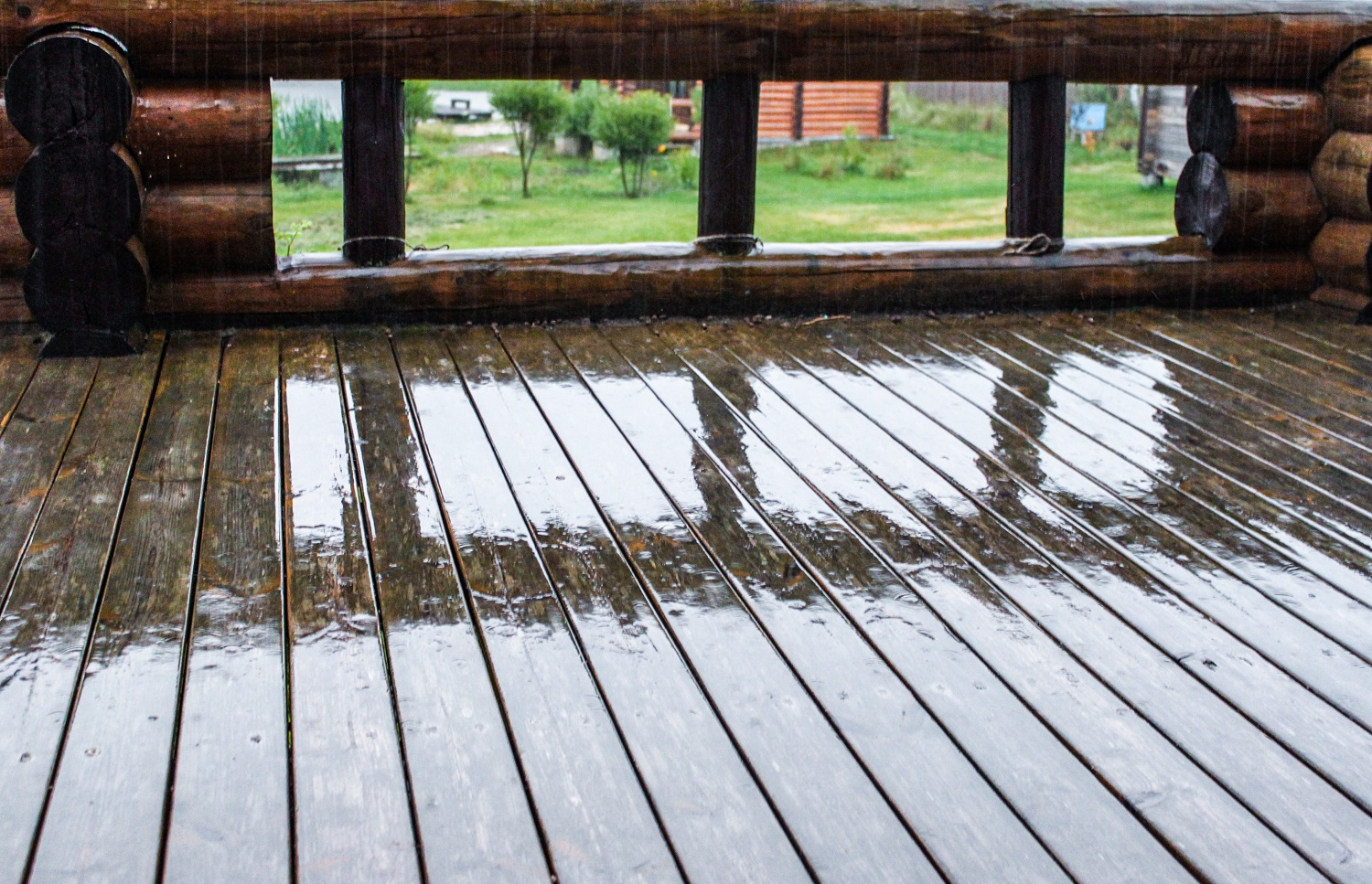
Deck wood rot is caused by moisture that gets trapped in wood long enough for fungi to grow. Bellevue's wet, mild climate makes this an easy problem to develop, since wood rot fungi thrive in temperatures between 60 and 90 degrees Fahrenheit, a range our region hits for most of the year.
Three conditions usually combine to start the damage:
- High humidity. Months of drizzle and low sun exposure keep deck surfaces damp long after a storm passes.
- Improper sealing. Stain or sealant that wears thin lets moisture soak into the wood surface instead of shedding off.
- Wood species and cut. Some lumber resists decay better than others, and end grain or exposed cuts absorb water faster than a sealed, flat surface.
Once moisture sits against wood for weeks at a time, wood decay fungi move in. These fungal species need three things to survive: a food source (the wood itself), oxygen, and consistent dampness. Remove any one of those and the decay slows down or stops. A wood rot fungus infestation almost always traces back to one of these three conditions left unchecked for too long.
Rotting wood fungus does not need a flood to get started. A slow drip from a clogged gutter, a planter sitting on decking, or downspout splashback is often enough over a full Bellevue winter. That is why the same five spots on a deck tend to fail first, year after year.
The 5 Deck Components Most Likely to Rot First
Not every board on a deck rots at the same rate. Certain areas trap water and stay damp far longer than the rest of the structure, so they show decaying wood first.
- Ledger board. This is the board bolted to your house that carries much of the deck's weight. Flashing failures here let water sit against the house and framing for months before anyone notices.
- Posts at grade. Where a post meets the ground or a concrete footing, splash-back and soil contact create constant dampness, a favorite condition for rot fungus.
- Joists over low airflow areas. Floor joists positioned above planters, hot tubs, or shaded ground stay wet longer than joists with open air beneath them.
- Decking boards near planters or downspouts. Standing water and organic debris from nearby planters accelerate rotten boards in these exact spots.
- Stair stringers. Stringers sit close to grade and take constant foot traffic, which cracks any protective coating and lets moisture in through the exposed wood.
💡 Pro Tip: Check these five spots first on every seasonal inspection. Catching rot here early is what keeps a repair rotted wood deck project small instead of a full rebuild.
How Do You Test for Deck Wood Rot?
You can identify wood rot yourself with a flathead screwdriver and a few minutes of poking around. Press the tip firmly into suspect wood at a low angle, focusing on the five components above.
- Choose a dry day. Wet wood can feel soft even when it is healthy, so test after a few days without rain.
- Probe, do not stab. Push the screwdriver in at a shallow angle with steady pressure rather than jabbing straight down.
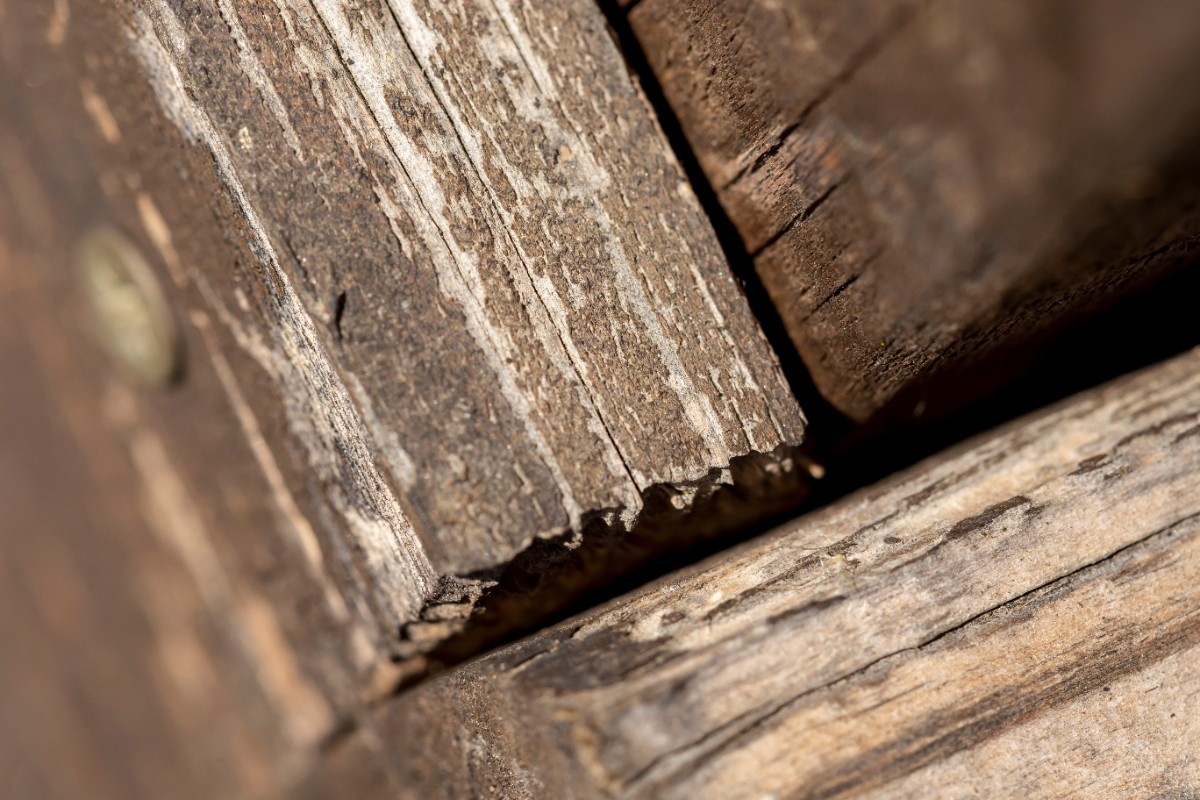
- Note how it feels. Sound wood resists the tip and holds its shape. Soft rot lets the tip sink in with little resistance, and the wood may feel spongy or crumble.
- Check the surrounding area. Test six inches in every direction from any soft spot. Rot fungi spread through the affected area, not just the single point you first noticed.
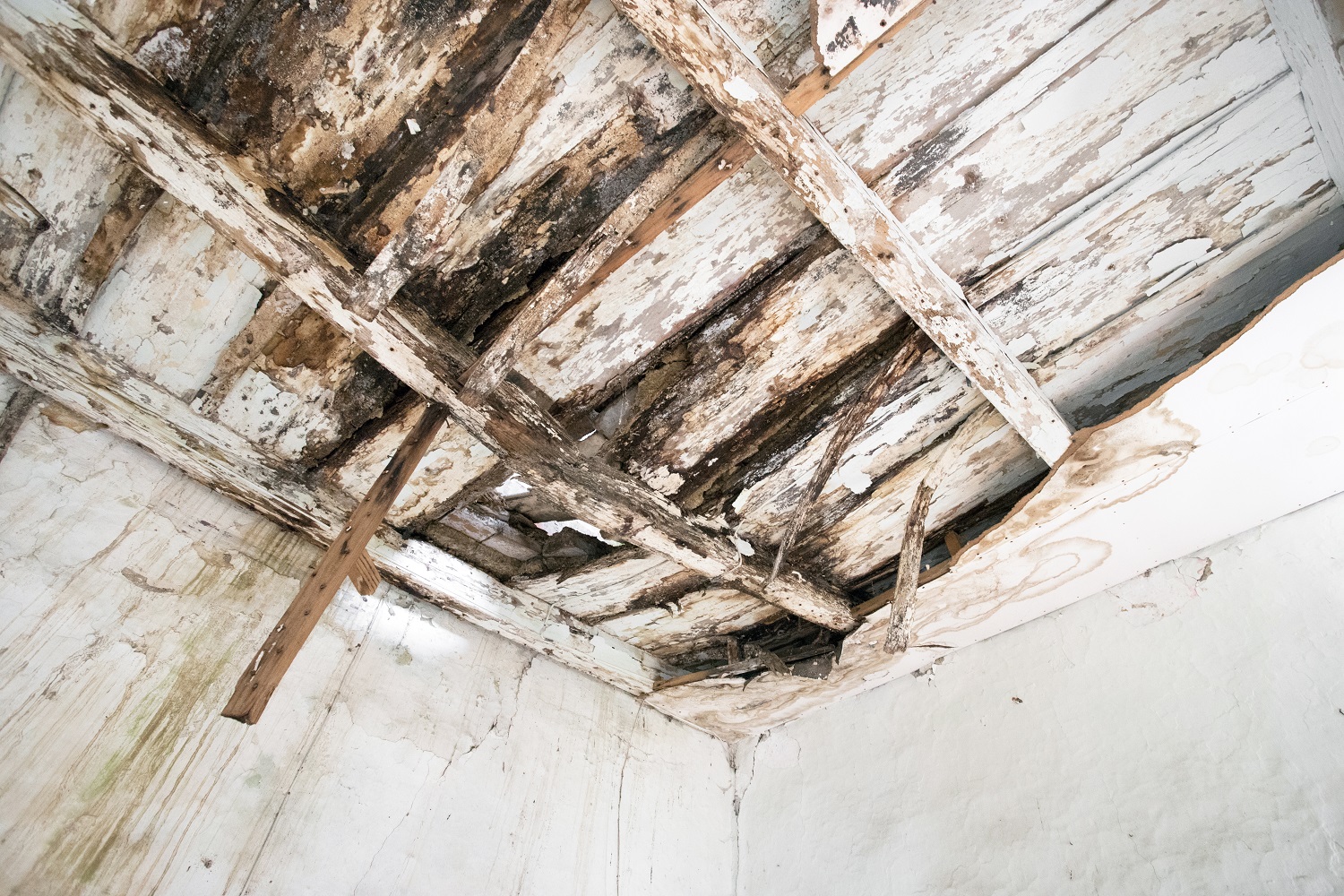
- Look and smell. Bad wood affected by decay often looks darker or lighter than surrounding boards and can carry a musty, earthy smell.
This same probe-and-moisture-reading method works on any suspect wood around your home, not just decks. Our guide to identifying dry rot covers the general technique and a few additional signs worth knowing.
If the screwdriver sinks in more than a quarter inch with light pressure, you are likely dealing with structural decay rather than a cosmetic surface issue. A wood rot fungus infestation this advanced usually means the affected board or framing member needs to come out rather than be patched.
Repair or Replace? What Each Rotted Deck Component Really Needs
The right fix depends on which component is affected and how far the decay has spread. Here is the general breakdown professional contractors use when deciding on deck wood rot repair versus full replacement.
You can see real examples of saved versus fully replaced deck framing in our completed deck rot repair projects.
As a rule, a 10% loss of wood weight from decay can mean a 70 to 90% loss in strength. That is why joists, posts, and stringers get replaced rather than patched once decay goes beyond the surface. Minor, shallow rot on decking boards is the main case where a repair rotted wood deck approach makes sense. In those cases, wood surface restoration with epoxy or a hardener can add years of life to an otherwise sound board.
Wet Rot vs. Dry Rot: Why the Difference Changes Your Repair
So does it matter which type of rot fungus you are dealing with? Yes, because wet rot and dry rot behave differently and call for different fixes.
- Wet rot develops when timber is exposed to moisture over time. Wet rot fungus generally stays confined to the damp area and is considered less destructive than dry rot, though left untreated it can still leave timber dangerously unsafe.
- Brown rot fungi, including the type commonly called dry rot, feed on cellulose and hemicellulose in the wood. This is why dry rot often looks dry, cracked into small cubes, and powdery once it dries out, even though moisture caused it originally.
- White rot fungi digest both lignin and cellulose, which tends to leave wood feeling stringy or spongy rather than crumbly.
- Soft rot fungi break down wood more slowly than brown or white rot, but can still cause real damage over months of consistent moisture.
Dry rot fungus is unusual because it can spread across dry structural wood using stored moisture and even travel through masonry, damaging structural integrity beyond the original wet spot. Wet rot, by contrast, stops spreading once the wood dries out. Treating dry rot in wood differs from treating a wet rot spot because the fungus can keep advancing even after you remove the moisture source. That is one more reason a rotting wood fungus problem near framing deserves a professional look rather than a quick surface patch.
Treating Dry Rot in Wood: How Rot Doctor's Deck Wood Rot Repair Process Works
Once decay is confirmed, professional deck rot repair follows a consistent sequence to make sure the fix actually lasts.
- Full inspection. Every joist, post, ledger board, and decking board gets probe tested, not just the visible problem spot.
- Remove all soft wood. Any wood affected by decay gets cut back to solid material, since leaving even a small amount of rot behind lets fungal growth continue.
- Dry the area completely. The exposed framing needs to dry before any treatment or new lumber goes in, or moisture just gets sealed inside.
- Treat what can be saved. Minor surface rot gets a wood hardener or epoxy fill, while active fungal growth may need a fungicide treatment applied by brush or low pressure sprayer as part of treating dry rot in wood correctly. This step is the core of wood surface restoration on boards that are still structurally sound.
- Replace what cannot. Structural pieces beyond repair are cut out and replaced with new, properly rated lumber.
- Seal and finish. New and treated wood gets sealed to prevent moisture penetration, completing the wood surface restoration and protecting the repair going forward.
Homeowners asking how to repair deck wood rot on their own can follow this same order, though structural components like joists, posts, and the ledger board are worth having a professional evaluate before you cut anything out.

How Much Does Deck Rot Repair Cost in Bellevue?
Costs vary widely depending on how many components are affected and whether framing or just surface boards need work. A repair limited to a few decking boards typically costs far less than a project involving joists or the ledger board. Treating dry rot in wood generally costs more than treating wet rot on the same component, since dry rot can require removing a wider margin of surrounding wood.
For a full pricing breakdown, see our detailed guide on deck repair costs in Bellevue, covering DIY versus professional pricing.
Common Mistakes That Make Rotted Deck Boards Worse
Homeowners often make a rotted deck problem worse before calling for help. Watch for these habits:
- Painting over rot. Paint or stain applied over decaying wood traps excess moisture underneath and speeds up decay instead of slowing it.
- Waiting for warmer weather. Rot fungi keep working through Bellevue's mild winters, so a delay of a season can turn a repair rotted wood deck job into a replacement job.
- Ignoring small soft spots. A quarter-sized soft spot today can spread to an entire joist if left untreated for a year, since rotting wood fungus rarely stays contained on its own.
- Skipping the joists. Homeowners often replace a rotted decking board without checking the joist underneath, leaving hidden decay in place.
- Using the wrong fasteners. Standard fasteners can corrode and create tiny gaps where water damage starts, so treated-wood-rated hardware matters.
Conclusion
Bellevue's damp climate does not forgive shortcuts, and mold often follows wherever excess moisture and untreated wood affected by decay are left in place. A DIY repair rotted wood deck attempt that skips a full inspection often leaves hidden problems behind.
A rotted deck rarely fixes itself, and the boards affected today are usually not the only ones at risk. Deck wood rot repair works best when it starts with an honest inspection instead of a guess. If you have found soft, spongy, or crumbling wood on your deck, reach out to Rot Doctor for a free inspection, and we will tell you exactly what needs to come out and what can stay.
FAQs
How much does it cost to repair deck rot?
Cost depends on which components are affected and how much of the structure needs replacing. Surface repairs on a few boards typically cost far less than projects involving joists or the ledger board. Get a free, no-obligation quote for an exact figure based on your deck.
Can rotted deck joists be repaired?
Minor, shallow rot on a joist can sometimes be treated with a wood hardener to consolidate the remaining fibers. Once decay reaches a significant portion of the joist, sistering a new joist alongside it or full replacement is generally the safer, longer-lasting option.
How do I fix a rotted deck board?
Small areas of surface rot can be treated with epoxy and wood hardeners, or filled with an automotive-style body filler in very minor cases. Boards with rot below the surface or affecting more than a small area should be fully replaced rather than patched.
What does wood rot look like?
Wood rot typically appears as discolored, darkened, or unusually pale wood that feels soft, spongy, or brittle to the touch. You may also notice a musty smell, visible fungal growth, or a fruiting body on badly decayed sections. An advanced wood rot fungus infestation often shows all of these signs at once.
Is wet rot or dry rot worse for a deck?
Dry rot fungus can spread further because it can travel through dry wood and masonry using stored moisture, making it harder to contain. Wet rot generally stays confined to the wet area and stops once the wood dries, though both can affect structural integrity if ignored.

.svg%20fill.svg)




.svg)