
.png)


.svg)
Wood rot rarely stays small for long. The best way to stop wood rot from spreading is to find and fix the moisture source first, remove all affected wood, treat the surrounding area, let everything dry completely, and then repair or replace the damaged section the right way.
In Bellevue homes, our damp climate, wet seasons, and hidden moisture pockets make fast action especially important.
We see this issue all the time around decks, trim, siding, window sills, crawl spaces, and other exterior wood details. A soft spot or damp smell might seem minor at first, but left untreated, a wood rot problem can spread into nearby framing and lead to costly repairs.
The good news is that early detection and the right repair plan can stop wood rot before it turns into a bigger structural issue.
Quick Answer: How Do You Stop Wood Rot From Spreading?
To stop wood rot from spreading, we recommend this order:
- Fix the moisture source
- Cut out rotted wood beyond the visible damage
- Treat nearby wood with a borate-based product or wood preservative
- Dry the area completely
- Repair, seal, or replace with new wood or treated wood
- Improve airflow and waterproofing so the problem does not return
That is the core process behind how to stop wood rot from spreading in a safe, lasting way. Surface patching alone does not solve active fungal decay. We have to deal with the moisture, the infected wood, and the surrounding conditions that allowed rot to start in the first place.
What Is Wood Rot?
Wood rot is a form of fungal decay that happens when wood stays damp long enough for fungi to grow. Once moisture content stays high, the fungus starts breaking down the wood fibers. Over time, solid wood becomes weak, soft, crumbly, and unstable.
In practical terms, wood rot means:
- Excess moisture has been present
- The wood has stayed wet long enough for fungal growth
- The affected wood is losing structural integrity
- The damage can spread past the area you can see
That is why stopping wood rot is not just about appearance. It is about protecting your home from further damage and keeping load bearing areas safe.
Why Wood Rot Spreads So Fast in Bellevue Homes
Bellevue homes deal with a lot of moisture. Rain, wet landscaping, clogged gutters, poor drainage, splashback, trapped humidity, and poor ventilation all create damp conditions that support rot.
We often find rot spreading faster in Bellevue because of:
- Recurring rain exposure
- Poor ventilation in crawl spaces and enclosed assemblies
- Water trapped behind trim, siding, or deck surfaces
- Standing water near posts, stairs, or lower framing
- Wood touching soil, concrete, or masonry
- Small leaks that go unnoticed until the damage gets bigger
A piece of wood does not need to look soaked to be a problem. Even slightly damp wood in a hidden area can support fungi. Once rot starts, nearby timber can also become vulnerable.
Wet Rot vs Dry Rot
Homeowners often hear both terms, but they are not exactly the same.
Wet Rot
Wet rot usually stays closer to the moisture source. It happens in wet wood that remains damp over time. It is common around leaking windows, trim, siding joints, decks, and exposed framing.
Dry Rot
Dry rot is usually more aggressive. It is caused by a fungus called serpula lacrymans, sometimes called cellar fungus. This dry rot fungus can move through affected timber, send out strands as hyphae grow, and create a fruiting body that releases new spores. Even though the name says dry rot, moisture is still part of the problem.
We also see categories like:
- Brown rot
- White rot
Those terms describe how fungi break down wood. For a homeowner, the main takeaway is simple: all rot needs moisture control, and all active rot needs proper repair.
Common Signs Wood Rot Is Already Spreading

Early detection gives you the best chance to limit the repair. Once we know how to stop wood rot, the next step is catching it before more wood is affected.
Watch for these common signs:
- A damp smell or musty smell
- Soft or spongy wood
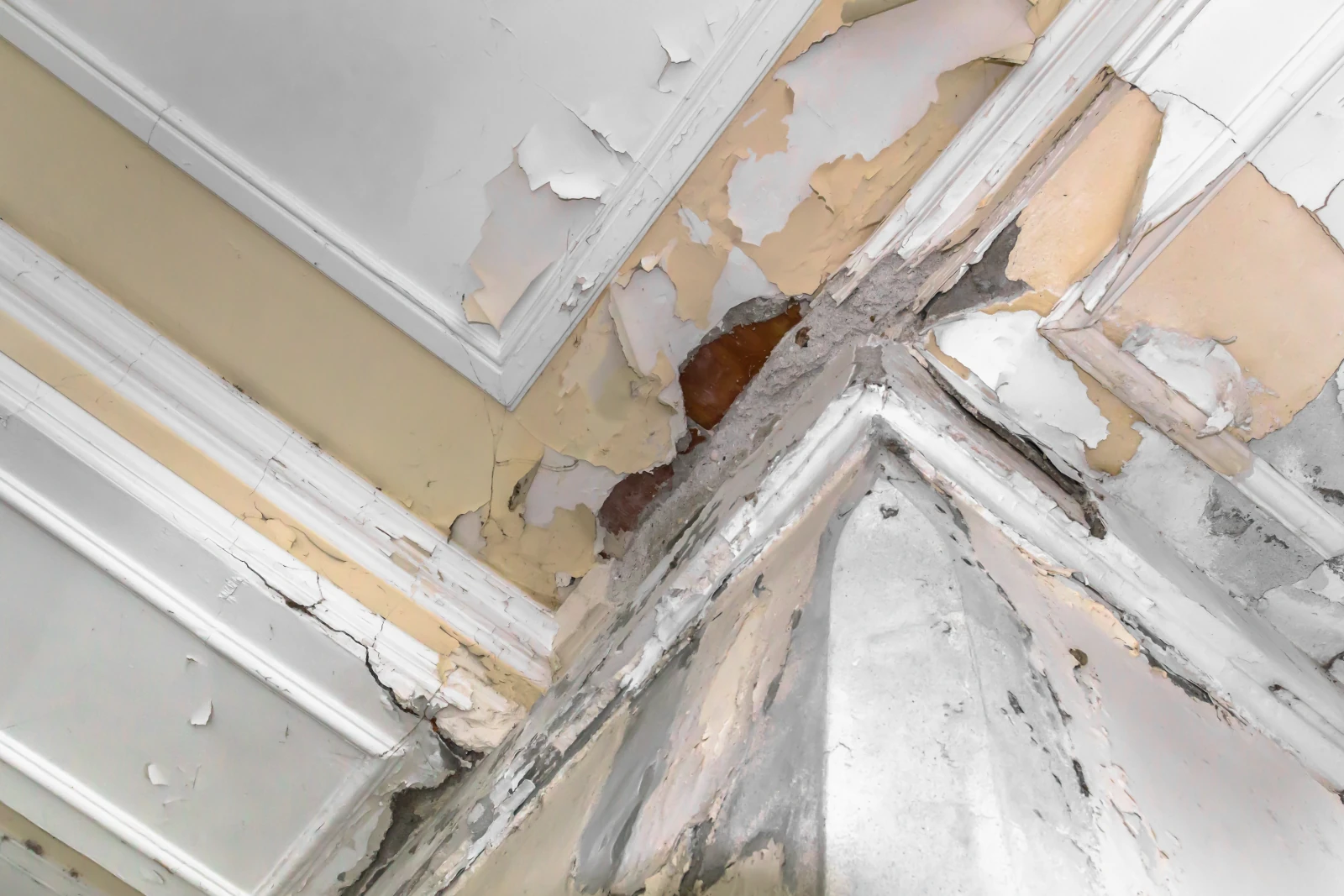
- Cracked, flaking, or bubbling paint
- Dark staining or discoloration
- Wood that crumbles under light pressure
- Trim or siding that looks swollen
- A mushroom like fruiting body
- Persistent moisture around the same area
Where We Commonly Find It
In Bellevue homes, we often find rotted areas around:
- Window sills
- Door trim
- Deck framing, deck stairs, and deck boards
- Siding transitions
- Posts and lower columns
- Crawl spaces
- Areas near downspouts and bad drainage
- Exterior corners where water sits too long
Sometimes the surface looks fine, but the surrounding area tells another story. A little peeling paint, a damp edge, or a soft trim board can point to a larger moisture problem behind it.
What Causes Wood Rot to Keep Spreading?
The short answer is moisture. Rot keeps spreading when the wood stays wet and the fungi still have a place to live.
Common causes include:
- Roof or flashing leaks
- Leaking windows or doors
- Bad deck waterproofing
- Plumbing leaks
- Poor drainage around the house
- Wood too close to soil
- Condensation in low-airflow spaces
- Poor ventilation in crawl spaces or enclosed framing
This is why the best answer to how to stop rot from spreading in wood always starts with finding the moisture source. We can patch a surface with wood filler or epoxy, but if the wood behind it stays damp, the rot will continue.
Step-by-Step: Best Way to Stop Wood Rot From Spreading
Step 1: Find and Fix the Moisture Source
This is the most important step. Without it, the repair is temporary.
We start by looking for:
- Leaks from roofs, windows, siding joints, or decks
- Water trapped behind trim or cladding
- Drainage problems that keep wood wet
- Poor flashing details
- Splashback from hard surfaces
- Condensation from bad airflow
This step is the real answer to how do you stop wood rot from spreading. We stop the water first. Once the moisture source is corrected, we can move on to the damaged wood with much better odds of long-term success.
Step 2: Remove All Affected Wood
Next, we remove the soft, rotted, or infected wood. That includes more than just the obvious surface damage. Rot often extends farther than it first appears, so we cut back into sound material.
A good repair plan usually means removing:
- All visibly rotted wood
- Any soft or punky sections
- Hidden damaged fibers behind the face of the board
- Weak edges around fasteners or joints
In many cases, the safest approach is to remove wood 6 to 12 inches beyond the visible damage so we are working with truly healthy material. That matters even more in structural or load bearing areas. This is especially true for siding rot repair, where rot commonly hides behind surface boards and the full extent only becomes visible once the outer layer is removed.
Step 3: Treat the Surrounding Area
After removal, we treat the remaining wood around the repair zone. This helps reduce the chance of further spread from unseen fungal activity.
Common treatment options include:
- Boric acid
- Borate-based wood preservatives
- Other wood preservatives designed for fungi and moisture-prone wood
This step is especially helpful when rot has been active for a while or when the surrounding area has been damp. It is not a substitute for removal, but it is a smart part of stopping wood rot.
Step 4: Let the Area Dry Completely
This step gets skipped far too often. Repairing over damp wood traps the problem.
We want the area to become:
- Completely dry
- Stable enough for patching or replacement
- Better ventilated than before
Sometimes that means opening the area up longer, improving good airflow, or waiting for hidden framing to dry before the rebuild starts. Dry wood gives repair materials a better bond and lowers the risk of the problem returning.
Step 5: Repair or Replace the Damaged Section
This is where the repair plan depends on the severity of the damage.
Minor Non-Structural Damage
In smaller, non-load-bearing areas, we may be able to stabilize and rebuild the section with:
- Wood hardener
- Wood filler
- Two-part epoxy
This can work when:
- The damage is shallow
- Most of the wood remains solid
- The moisture source is fixed
- The area is not critical to the home’s structure
More Severe or Structural Damage
When the wood has lost strength, replacement is usually the better option. We cut out the affected timber and install new wood or treated wood with proper detailing.
Replacement is often the right call when:
- The damage is deep
- The framing is soft
- The area is load bearing
- The rot has spread into multiple connected pieces
- The deck’s structural integrity is at risk
When homeowners ask can you stop wood rot without replacing the wood, the honest answer is sometimes yes, sometimes no. Minor damage may be repairable. Extensive or structural damage usually needs replacement.
Step 6: Seal and Waterproof the Repair
Once the repair is complete, we protect it from future moisture. That means sealing vulnerable surfaces, especially joints, end grain, and transition points where water likes to sit.
Long-term protection may include:
- High-quality exterior paint
- Stain and sealer systems
- Waterproof coatings where appropriate
- Better flashing and trim details
- Improved drainage away from the house
This is a big part of stop wood from rotting long term. Waterproofing does not fix existing rot, but it helps keep repaired wood from ending up in the same cycle again.
Step 7: Improve Airflow and Prevent Future Moisture Buildup
Bellevue homes benefit from extra attention to ventilation. Moisture lingers longer in enclosed or shaded areas, especially under decks and in crawl spaces.
We often recommend:
- More open airflow paths
- Better venting in crawl spaces
- Clearing debris that traps moisture
- Keeping vegetation from crowding siding or framing
- Correcting drainage at grade
- Keeping wood off soil and separated from moisture-holding surfaces
Good airflow is not a small detail. It is one of the most effective preventative measures you can take.
Can You Stop Wood Rot Without Replacing the Wood?

Yes, in some cases. No, in others.
Repair May Work When:
- The affected wood is still mostly solid
- The damage is localized
- The area is not structural
- The moisture problem has been fully corrected
- We can remove decay and rebuild with epoxy or filler safely
Replacement Is Better When:
- The wood is deeply rotten
- The damage extends behind the visible surface
- The area supports weight
- The surrounding area is also compromised
- The wood keeps getting wet
- We are dealing with advanced dry rot or widespread wet rot
This is where experience matters. A surface patch can make a problem look better for a while, but if the wood underneath is unstable, the repair does not really solve anything.
Where Wood Rot Commonly Starts in Bellevue Homes
Some areas are more vulnerable than others. In our experience, these are the places Bellevue homeowners should watch most closely.
Decks and Stairs
Deck framing, posts, stair stringers, and rail connections take constant weather exposure. Poor drainage and trapped debris make them even more vulnerable.
Window Sills and Trim
Window sills collect water, and trim assemblies often trap moisture behind the face. A small failure in caulking or paint can lead to hidden damage.
Siding Transitions
Where siding meets trim, masonry, decks, or roof lines, water can sit longer than you expect. These transition points are common places for affected areas to develop.
Crawl Spaces
Crawl spaces are classic rot zones because of poor ventilation, persistent dampness, and hidden leaks. A damp crawl space can quietly affect a lot of wood over time.
How to Stop Wood Rot From Coming Back
Once we repair wood rot, we also want to keep it from returning. That means building prevention into the repair.
Here are some of the best habits for long-term protection:
- Inspect exterior wood every year
- Repair leaks quickly
- Keep paint and sealants maintained
- Improve drainage around the house
- Avoid direct wood-to-ground contact
- Watch for peeling paint, soft spots, or musty smells
- Keep crawl spaces and enclosed areas ventilated
- Address moisture before it becomes visible decay
These simple steps help reduce the chance of future fungal growth, further damage, and bigger repair bills.
Bellevue Homeowner Checklist
Use this quick checklist if you suspect a wood rot problem:
- Find the moisture source
- Fix leaks, drainage, or ventilation issues
- Remove all affected wood
- Treat surrounding wood
- Dry the area completely
- Repair with epoxy or replace with new wood
- Seal exposed surfaces
- Monitor nearby wood for new signs of spread
This is the practical version of how to stop wood rot from spreading.
When to Call a Professional
Some repairs are straightforward. Others are deeper than they look. We recommend calling a professional when:
- The wood feels soft in a structural area
- The damage keeps returning
- You notice a fruiting body or signs of dry rot fungus
- The rot extends into framing, joists, beams, or posts
- The surrounding area also shows moisture damage
- You are not sure how far the rot has spread
A proper inspection helps us separate minor surface damage from a larger wood rot problem. That can save you from patching the wrong area while the real issue keeps growing behind it.
Final Thoughts
The best way to stop wood rot from spreading in Bellevue homes is not complicated, but it does require the right sequence. We fix the moisture source, remove the damaged wood, treat the surrounding area, let everything dry completely, and then repair or replace the section with materials that can hold up over time.
Wood rot, wet rot, and dry rot all get worse when moisture stays trapped and the problem is left untreated. The sooner you act, the easier it is to protect your home, preserve its structural integrity, and avoid costly repairs. If you have noticed soft wood, a musty smell, damaged trim, or signs of water damage around your home, now is the right time to take a closer look.
When you need expert help, ROT Doctor is here for dry rot repair services in Bellevue. We help you find the real source of the moisture, stop the spread, and repair damaged wood the right way so your home stays safe and protected.
Contact ROT Doctor today to schedule an inspection and get a clear plan for your dry rot repair.
FAQs
1. How do you stop rotten wood from spreading?
To stop rotten wood from spreading, you need to fix the moisture source first, remove all affected wood, treat the surrounding area with a wood preservative or borate-based product, let the area dry completely, and then repair or replace the damaged section. Wood rot keeps spreading when damp conditions remain, so surface patching alone usually does not solve the problem.
2. Does vinegar stop wood rot?
Vinegar is sometimes suggested as a DIY treatment, but it is not a reliable way to stop wood rot. Active wood rot is caused by fungal decay linked to excess moisture, and vinegar does not replace proper removal, drying, and repair. If you want to stop wood rot from spreading, it is much more effective to remove damaged wood, correct the moisture problem, and use products made for wood preservation.
3. Can you stop wood rot once it starts?
Yes, you can stop wood rot once it starts, but only if you act early and address the full cause of the problem. That means stopping the moisture source, removing infected wood, drying the area, and repairing or replacing the damaged material. If wood rot is left untreated, it can spread into nearby timber and weaken the structural integrity of your home.
4. Does painting over wood rot stop it?
No, painting over wood rot does not stop it. Paint may temporarily hide surface damage, but it does not kill fungal growth or remove trapped moisture inside the wood. In many cases, painting over rotten wood delays proper repair and allows the damage to get worse underneath.
5. Is there anything you can put on wood to stop it from rotting?
Yes, there are products that help protect wood from rot, including wood preservatives, borate treatments, sealers, stains, and paint systems designed for exterior protection. These can help prevent wood rot, but they work best on dry, sound wood. If rot has already started, protective coatings alone will not stop the spread without fixing the moisture problem first.
6. Does varnish stop wood from rotting?
Varnish can add a protective layer, but by itself it does not fully stop wood from rotting, especially in areas exposed to repeated rain, standing water, or poor ventilation. If moisture gets behind the finish or the coating starts to fail, wood rot can still develop. For better long-term protection, wood needs proper sealing, drainage, airflow, and regular maintenance.
7. What is the best way to stop wood rot from spreading?
The best way to stop wood rot from spreading is to eliminate the source of moisture, cut out all rotted wood, treat nearby material, dry the area completely, and then repair or replace it with sound wood or appropriate repair products. In Bellevue homes, this often also means improving ventilation and waterproofing so the same moisture problem does not return.
8. When should rotten wood be replaced instead of repaired?
Rotten wood should usually be replaced when the damage is deep, widespread, or affects a load-bearing or structural area. Minor surface damage may sometimes be repaired with wood hardener, epoxy, or filler, but soft framing, repeated moisture exposure, or hidden spread often make replacement the safer choice. When in doubt, a professional inspection can help determine whether repair is enough or if new wood is needed.

.svg%20fill.svg)




.svg)