
.png)


.svg)
Dry rot damage usually develops in four clear stages: spores, hyphae, mycelium, and fruiting body. It starts when dry rot fungus finds wood with enough moisture, then spreads through fine strands and cotton-like growth before causing brittle timber, cracking, shrinkage, and sometimes severe structural damage.
When we catch it early, dry rot repair is usually more manageable, less invasive, and less expensive.
We see a lot of homeowners assume dry rot is just old, weak wood. In reality, it is a form of fungal decay that can quietly move through affected wood, hidden framing, and damp spaces long before the damage becomes obvious.
That is why understanding the stages of dry rot matters. Once you know what to look for, you can spot the signs of dry rot, act faster, and protect your home’s structural integrity.
What Is Dry Rot?
Dry rot is a type of wood decay caused by a wood destroying fungus that feeds on timber. Despite the name, dry rot does not start in truly dry wood. It begins where moisture is present, often in wet timber, moist timber, or enclosed areas with poor ventilation and excess moisture.
As the fungus grows, it digests the wood fibers that give timber its strength. Over time, that process leads to brown rot, brittle wood, deep cracks, and shrinking timber. In more advanced cases, dry rot damage can affect joists, subfloors, wall framing, and other important structural components.
Dry Rot vs. Wet Rot
It helps to separate dry rot from wet rot, because the two often get mixed up.
Wet rot usually stays close to the moisture source. Dry rot spread can become more aggressive once the fungus is established, especially in damp, enclosed spaces. Both can damage timber, but dry rot fungus is often the bigger concern because it can cause widespread timber decay when left untreated.
A simple way to think about it is this:
- Wet rot usually points to ongoing dampness in one area
- Dry rot often signals a deeper fungal problem with a higher risk of spread
- Both need repair, but dry rot often calls for more careful investigation and a broader treatment plan
What Causes Dry Rot Damage?
At its core, dry rot begins with moisture. The fungus needs a damp environment to activate and grow.
In many cases, it thrives when timber reaches a moisture content above 28%, though even slightly lower readings can still support fungal activity depending on the conditions.
Common causes of dry rot damage include:
- plumbing leaks
- roof leaks
- poor drainage
- condensation
- trapped humidity
- blocked vents
- poorly ventilated areas
- wood in contact with wet masonry or rotting soil
We often find dry rot in basements, crawl spaces, subfloors, around windows, under bathrooms, and anywhere moisture lingers longer than it should. Once timber stays damp long enough, dry rot spores can activate and the fungal life cycle begins.
The Four Stages of Dry Rot Damage
This is the part most homeowners want to understand clearly. While symptoms can overlap, dry rot damage generally follows four distinct stages.
Stage 1: Spores

The first stage starts with dry rot spores. These microscopic spores are always present in the environment, but they stay dormant until the right conditions appear. Once spores land on damp timber with sufficient moisture, germination can begin.
At this point, there may not be dramatic visible damage yet, which is why the early stages are easy to miss. One of the more subtle clues can be a fine dusting that looks like red dust, fine orange dust, or rust coloured particles. Some homeowners mistake it for dirt, brick dust, or old debris.
This stage matters because it sets everything else in motion. Once the spores activate, the fungus starts building the structures it needs to feed and spread.
Early warning signs in the spore stage:
- faint musty smell or damp smell
- recurring moisture around timber
- unexplained red dust or rusty-brown powder
- damp, enclosed wood surfaces
- recurring humidity in poorly ventilated spaces
This is often the best moment to stop a future dry rot infestation before it gains momentum.
Stage 2: Hyphae

As the spores germinate, hyphae grow. Hyphae are thin, thread-like fungal strands that begin moving across the surface of wood and other porous materials. You may notice fine white strands or grey strands that look a bit like spider webs or silky root-like threads.
This stage tells us the fungus is no longer dormant. It is actively developing and beginning to colonize the space. Hyphae can travel into cracks, along masonry, and across hidden surfaces where moisture remains available.
When we inspect homes at this stage, the wood may not yet look severely damaged, but the warning signs become more visible.
What hyphae often look like:
- web-like threads across timber
- grey strands in corners or hidden voids
- fine white, root-like growth
- early spread across nearby building materials
This is also when homeowners often begin to suspect something is wrong but are not yet sure how to identify dry rot. That uncertainty is common. Hyphae can be delicate, easy to overlook, and hidden behind finishes or under flooring.
Stage 3: Mycelium
%20(1).png)
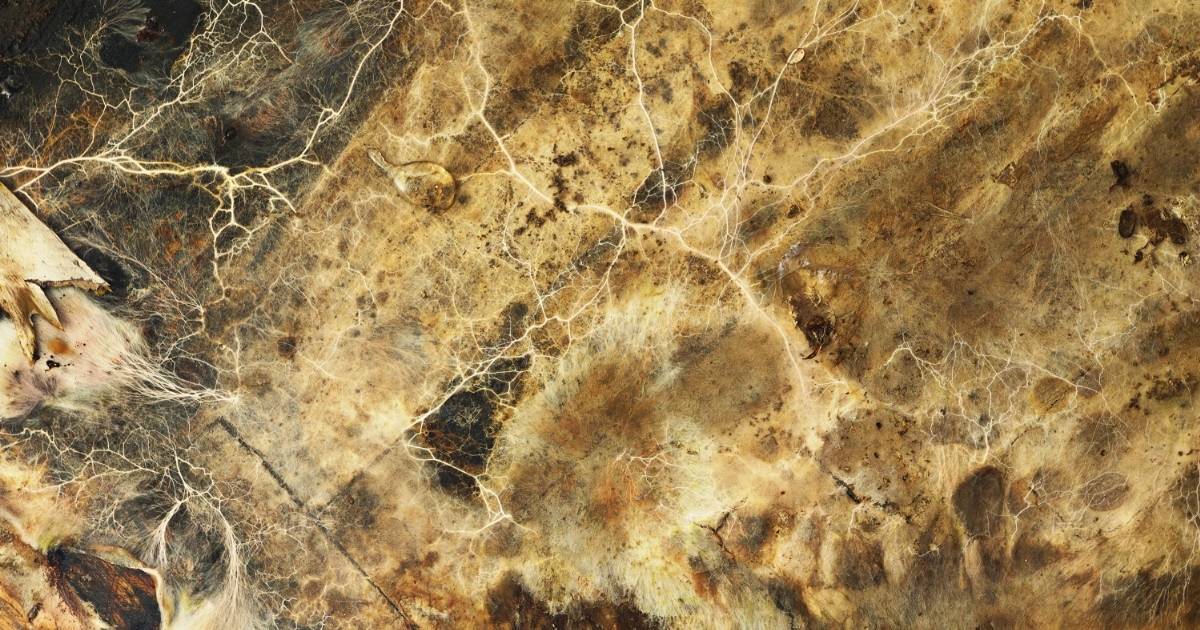
The third stage is where the fungus becomes much more obvious and much more destructive. As the hyphae multiply, mycelium forms. This is the thick, fluffy growth many homeowners associate with active dry rot fungus.
Mycelium often appears as a cotton wool like substance, or a mass of fluffy white mycelium spreading across the surface of timber. In some areas, it can look dense and soft. In others, it may appear as a flat, spreading fungal sheet.
This is the feeding stage. The fungus is actively breaking down cellulose within the wood. That process causes affected timber to become dry, brittle, and weak. Even when the surface still looks mostly intact, the internal strength can already be failing.
Common signs during the mycelium stage:
- cotton wool or cotton-like fungal growth
- white or pale grey patches on wood
- cracking timber
- shrinking, warping, or dry-looking surfaces
- wood that feels weak when pressed
- stronger dry rot smell or earthy odour
We often tell homeowners that this is the stage where concern should turn into action. Once the fungus reaches this point, the risk to structural integrity rises fast.
Stage 4: Fruiting Body

The final stage is the fruiting body stage. This is when the fungus matures and begins reproduction on a larger scale. The fruiting body often looks mushroom-like, pancake-shaped, and fleshy, with an orange or rust-colored center and pale or white edges.
This is one of the clearest visual signs of a serious dry rot problem. The fruiting body releases new spores, which means spore production and spore release can continue the cycle in other damp areas.
By the time a fruiting body appears, the wood beneath or around it is often badly compromised. At this stage, we are no longer talking about cosmetic damage. We are talking about a real risk of extensive structural damage. At this point, the damage is beyond a DIY patch. Our dry rot repair service covers full inspection, fungal removal, and structural restoration so the rot doesn't come back.
- visible fruiting body
- mushroom like fruiting bodies
- orange-tinged or rust-colored fungal growth
- brittle timber that crumbles
- larger areas of damaged wood
- significant weakening of framing or subfloor areas
Where We Commonly Find Dry Rot in a House
Dry rot loves moisture, stale air, and hidden access to timber. In homes, we most often find it in:
- crawl spaces
- basements
- subfloors
- around leaking windows
- under sinks and tubs
- behind shower walls
- roof voids
- areas near plumbing failures
- enclosed framing with poor ventilation
If you are dealing with dry rot on house framing or trim, the visible damage may only be one part of the story. Hidden infected timbers may already exist nearby, especially in older homes or places with long-term water intrusion.
How to Identify Dry Rot Early
The best way to identify dry rot is to pay attention to patterns, not just single symptoms. One crack in a board may not mean much on its own. A crack plus a musty smell, fungal strands, and past moisture issues is a very different story.
Here is what we recommend checking:
- areas with chronic leaks or dampness
- wood that has shrunk or warped
- brittle timber that sounds hollow
- white, grey, or cotton-like fungal growth
- rusty or orange dust deposits
- spaces with poor airflow and trapped humidity
In many homes, the early stages of dry rot are subtle. You may notice odor before visible growth. You may find affected areas near a past leak even after the wood feels dry to the touch. That is why we always look at moisture history, not just current appearance.
Can Dry Rot Spread?
Yes, dry rot spread is real, but it still depends on moisture. The fungus cannot keep growing indefinitely through bone-dry conditions. It needs a damp environment and suitable surfaces to stay active.
That said, once established, the fungus can move across porous materials and hidden spaces more than many homeowners expect. This is why untreated dry rot outbreaks can become bigger repairs over time.
A lot of homeowners also ask, can dry rot spread from house to house. Spores can travel in the environment, but active fungal growth still needs the right damp conditions in the next location. In practice, the bigger concern is usually spread within your own home where moisture is already present.
Can Dry Rot Damage Your Health?
When homeowners ask, can dry rot damage your health, the main concern is usually the overall indoor environment rather than the timber itself.
Damp, stale, fungus-affected areas can contribute to unpleasant air quality, persistent odours, and discomfort in the home.
In our experience, the more immediate risk is usually to the building. Once timber loses strength, the danger shifts toward weakened floors, hidden framing issues, and other safety concerns tied to compromised structural integrity.
How We Treat and Repair Dry Rot Damage
Good dry rot treatment is never just about killing visible fungus. We have to solve the moisture problem first. Without that step, the conditions that caused the issue remain in place.
Our approach to dry rot repair
- Find and fix the moisture source
We stop the leaks, drainage issue, condensation problem, or ventilation failure that allowed the fungus to grow. - Inspect all affected areas
We check visible and hidden timber to understand how far the decay has spread. - Remove damaged wood where necessary
Severely compromised timber often needs replacement. Surface treatment alone is not enough once the structure is weak. - Treat surrounding wood and materials
This helps reduce the risk of lingering fungal activity and supports long-term recovery. - Improve drying and ventilation
Proper ventilation is one of the best defenses against future outbreaks.
This is why repairing dry rot damage often involves both carpentry and moisture correction. A cosmetic patch may hide the symptoms, but it will not solve the root problem.
How to Stop Dry Rot and Prevent Future Outbreaks
Stopping dry rot comes down to controlling moisture and catching small issues early. Prevention is usually much cheaper than major structural repair.
Here is what we recommend:
- fix leaks right away
- improve airflow in enclosed spaces
- reduce indoor humidity where needed
- keep wood from staying wet for long periods
- inspect crawl spaces, basements, and window areas regularly
- maintain flashing, roofing, gutters, and drainage
- watch for recurring damp conditions
- address any common signs before they become a bigger fungal issue
When we talk about how to prevent future outbreaks, we are really talking about protecting the home from repeated moisture cycles. Keep timber dry, keep air moving, and deal with warning signs early.
When You Should Call Dry Rot Experts
Some minor wood damage can be straightforward. Dry rot usually is not. Once you see fruiting body growth, cotton-like fungus, brittle structural wood, or widespread cracking, it is time to bring in dry rot experts.
We recommend reaching out for help when:
- you see a visible fruiting body
- timber feels soft, brittle, or crumbles
- you notice a strong dry rot smell
- you find repeated fungal growth after cleaning
- the damage affects floors, walls, decks, or framing
- you are unsure how to diagnose dry rot correctly
A professional assessment can confirm whether you are dealing with dry rot, wet rot, or another form of wood rot, and that matters because the repair plan depends on the correct diagnosis.
Quick Recap: What Are the Stages of Dry Rot Damage?
To sum it up, dry rot damage moves through four main stages:
- Spores: dormant fungal particles activate in damp timber
- Hyphae: fine white or grey strands begin spreading
- Mycelium: fluffy cotton-like growth feeds on the wood
- Fruiting body: mature fungal growth releases more spores and signals advanced decay
The longer the process continues, the more likely you are to face extensive damage, weakened timber, and major repair work.
Final Thoughts
Understanding what are the stages of dry rot damage gives you a real advantage as a homeowner. Once you know how to spot spores, hyphae, mycelium, and fruiting body growth, you can catch problems earlier and avoid the kind of hidden decay that leads to bigger repairs.
We always encourage you to take moisture seriously. A damp smell, a patch of cotton wool like substance, or shrinking timber may seem minor at first, but those early clues often point to a deeper dry rot problem. The sooner you act, the easier it is to protect your home, preserve its structural integrity, and reduce the cost of dry rot repair.
When dry rot shows up, guesswork gets expensive fast. That’s where ROT Doctor comes in. We help homeowners find the real source of the damage, stop the spread, and repair affected areas the right way so you are not stuck patching the same problem twice.
If your wood looks suspicious, smells musty, or feels brittle, now is the time to bring in ROT Doctor for professional dry rot repairs and get your home back on solid ground.
Contact us today to schedule an inspection and let us help you stop the damage before it spreads further.
FAQs
1. What are the stages of dry rot?
Dry rot usually develops in four main stages: spores, hyphae, mycelium, and fruiting body. It starts when dry rot spores land on damp timber, then grows into fine strands, forms a white cotton-like mass, and eventually produces a mushroom-like fruiting body that releases more spores. As these stages progress, dry rot damage can weaken wood and threaten the home’s structural integrity.
2. How quickly does dry rot progress?
How quickly dry rot progresses depends on moisture levels, ventilation, and how long the wood stays damp. In ideal conditions, dry rot fungus can spread faster than many homeowners expect, especially in enclosed areas with poor airflow and high moisture content. What starts as early fungal growth can turn into serious timber decay if it is left untreated for months.
3. How long do you have to worry about dry rot?
You need to worry about dry rot as long as the moisture source still exists and affected timber remains in place. Dry rot does not usually go away on its own because the fungal growth can stay active in damp conditions and return when moisture builds back up. The safest approach is to fix the source of moisture, remove damaged wood where needed, and complete proper dry rot treatment.
4. Does dry rot stop spreading?
Dry rot can stop spreading once the conditions it needs are removed, especially excess moisture and damp timber. Without moisture, dry rot fungus cannot keep actively growing, but the damage already done to the wood will still remain. That is why stopping the spread is only one part of the solution, and dry rot repair is often still necessary.
5. What happens if you don't fix dry rot?
If you do not fix dry rot damage, the fungus can keep breaking down the wood and lead to deeper structural damage over time. Affected timber often becomes brittle, cracked, shrunken, and weak, which can compromise floors, framing, and other structural parts of the home. The longer it goes untreated, the more invasive and expensive the repair usually becomes.
6. What are the first signs of dry rot?
The first signs of dry rot often include a musty smell, damp conditions, shrinking timber, and fine fungal strands on affected wood. Some homeowners also notice fine orange dust, white or grey thread-like growth, or wood that looks dry on the surface but feels weak underneath. Catching these early signs can make dry rot repair much more manageable.
7. Can dry rot spread through a house?
Yes, dry rot spread can move through a house when the fungus has enough moisture and access to porous materials. It often travels through hidden areas such as subfloors, crawl spaces, wall framing, and other poorly ventilated spots where damp conditions persist. While it does not spread without moisture, it can affect more of the home than many people expect if left untreated.
8. Can dry rot be repaired?
Yes, dry rot damage can be repaired, but the right fix depends on how far the decay has progressed. In most cases, the repair includes stopping the moisture source, removing or replacing affected timber, and applying proper dry rot treatment to nearby areas. Early action is the best way to limit damage and avoid more extensive structural repairs.

.svg%20fill.svg)




.svg)