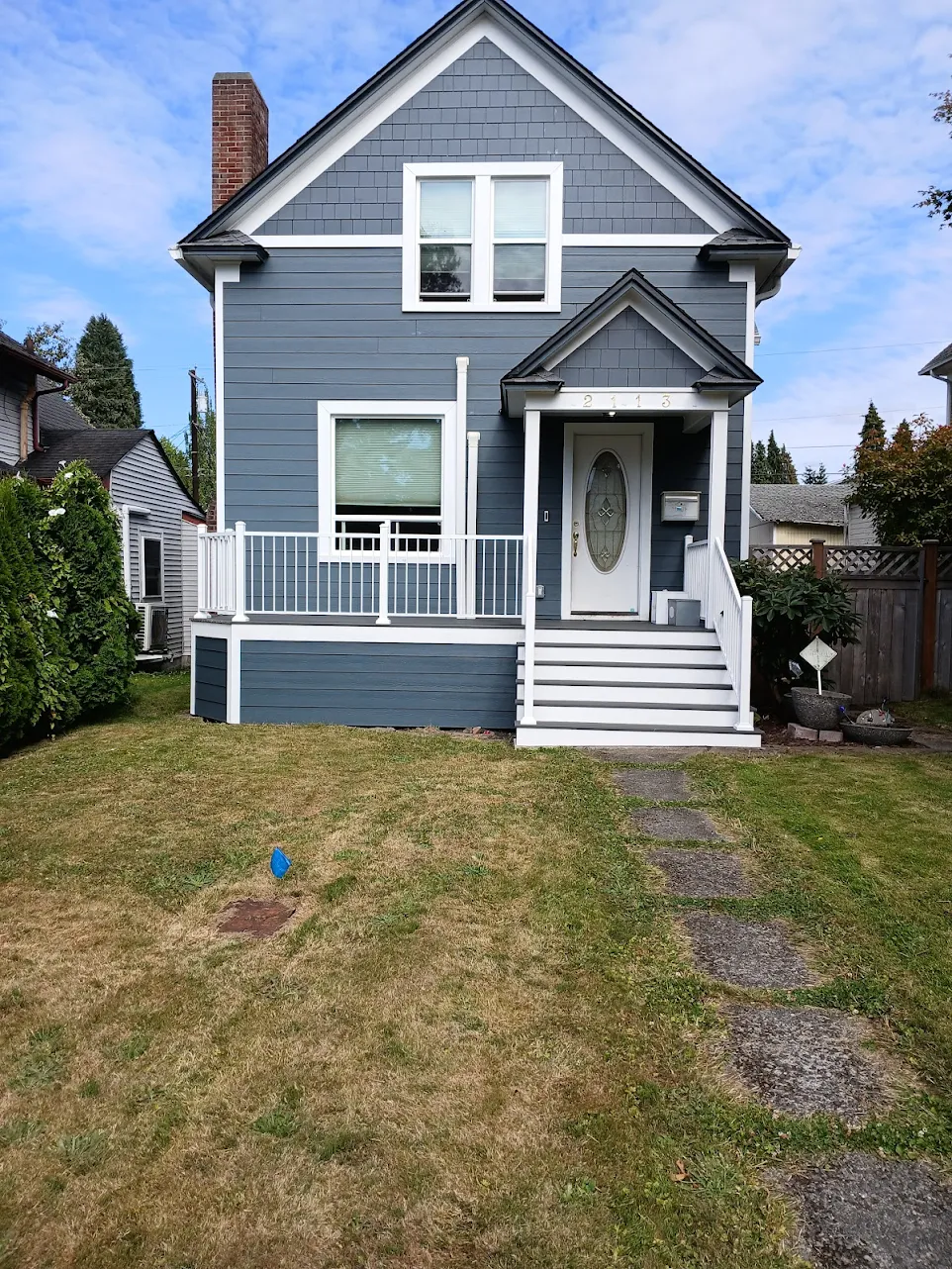
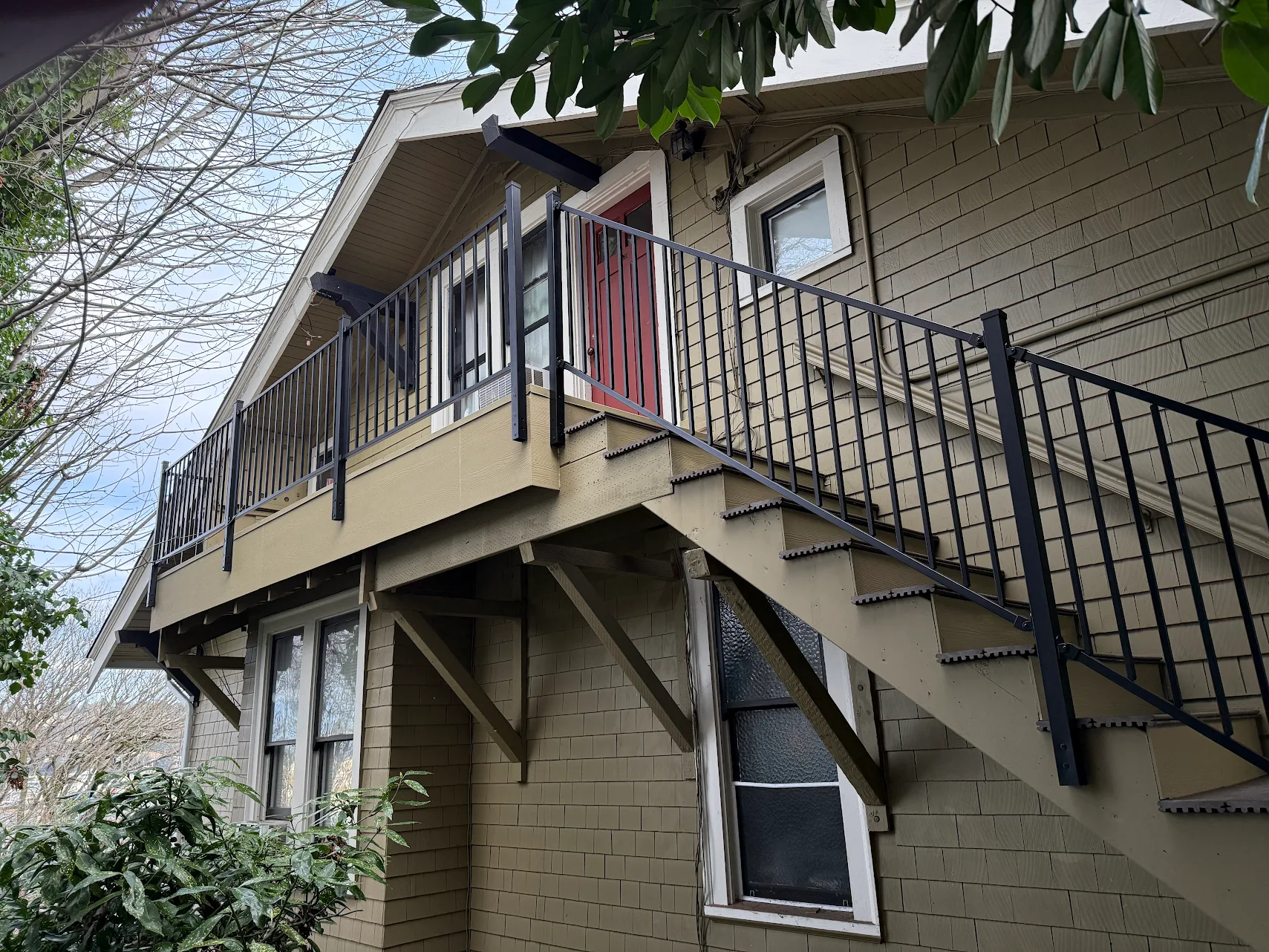
Seattle's damp winters and older craftsman homes create ideal conditions for hidden decay. Our dry rot inspection in Seattle, WA finds rot early and stops costly repairs before they start.

Get Your Home’s Precise Prescription for Rot Repair.
Get Free Estimate from Rot Experts!


A little softness in a windowsill or a faint musty odor rarely feels urgent. But dry rot quietly moves behind Seattle's siding and wood framing, feeding on trapped moisture long before it becomes visible. Without repair, hidden wood rot can spread from a single board to floor joists, sill plates, and roof beams, turning a small fix into a major structural repair.
Rot Doctor's experienced crews catch these early warning signs before they turn into extensive damage. Every professional inspection maps out compromised wood, checks the surrounding structure, and gives you an honest plan to stop rot at the source. Instead of guessing what's wrong, you get a clear picture of your home's condition before any work begins.
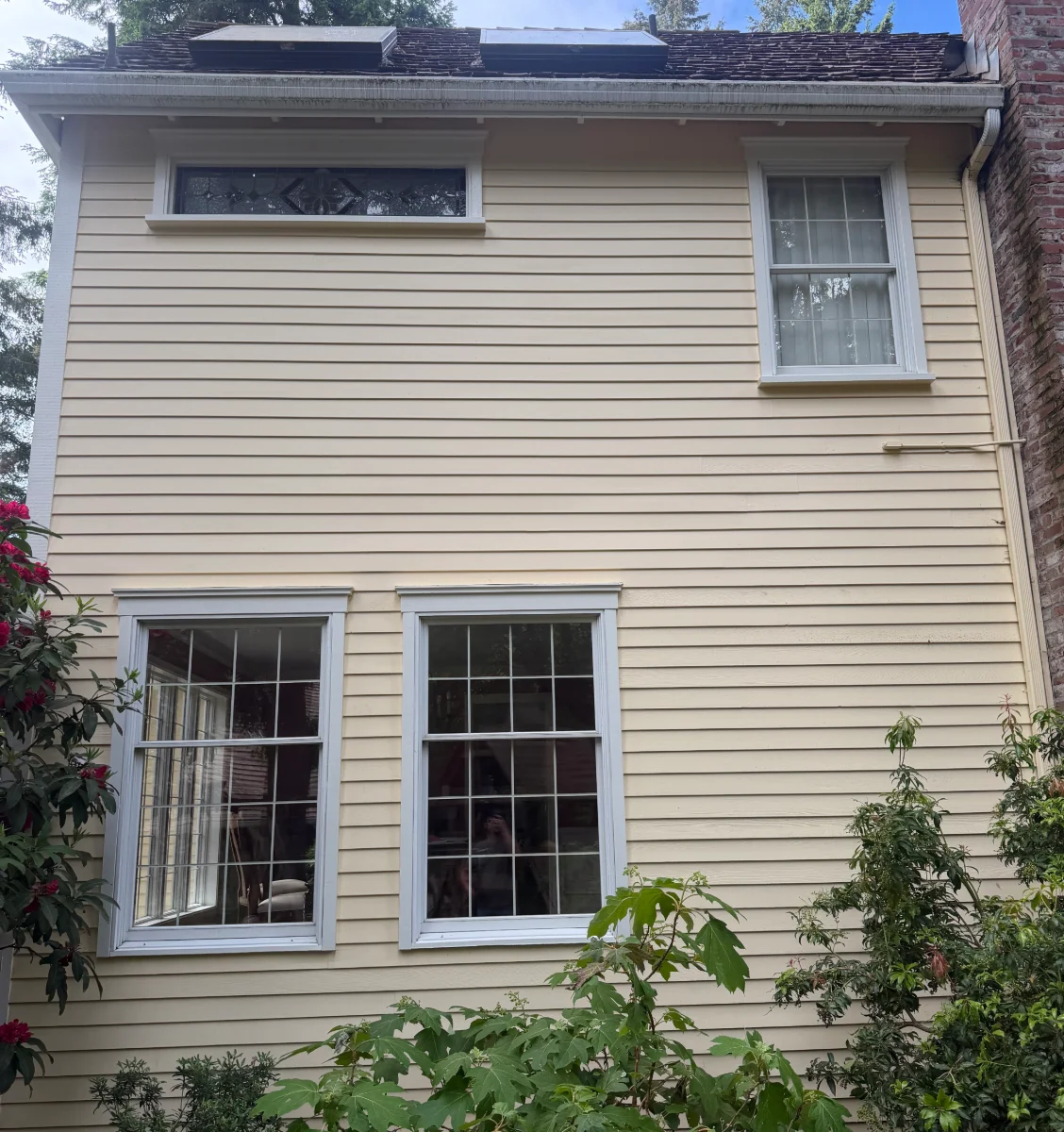
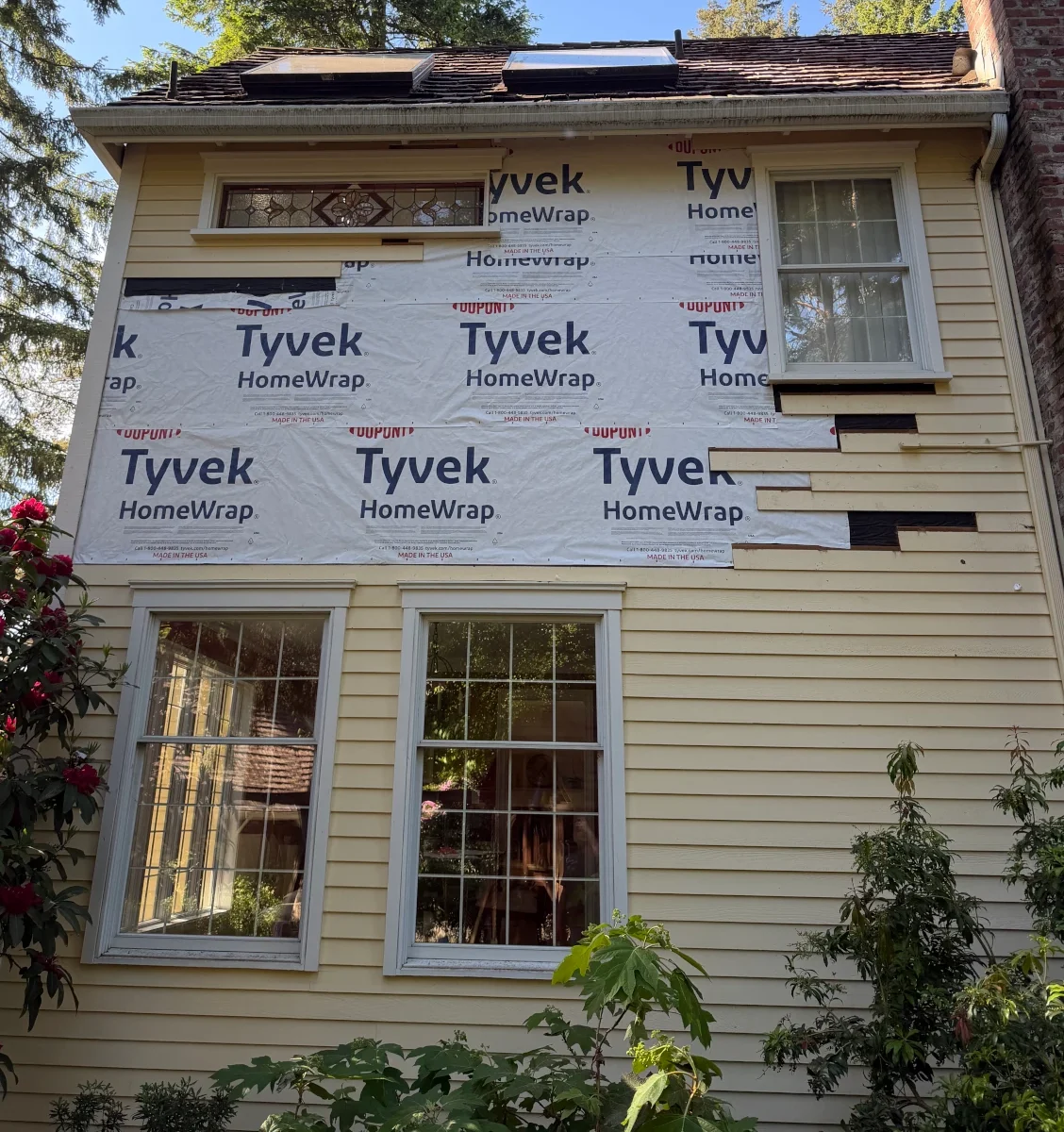
DETAILED SEATTLE ROT INSPECTIONS
Every home has different risk points, so our team inspects each property room by room and area by area. We look beyond what's visible to catch problems most homeowners never notice until it's too late.
Here's what we check on every visit:
Rot Doctor is licensed, bonded, and insured to perform dry rot inspections across Washington State. Our certified inspectors bring hands-on field experience and proper training, so every report reflects real, verified expertise you can rely on.
Licensed and Insured Contractor: Rot Doctor holds an active Washington contractor's license, license number ROTDOD*768D9, and carries full bonding and insurance. This protects your property and means you're working with a bonded, insured contractor if anything comes up.
Trained Team: Every technician completes specific training to identify decay, moisture sources, and structural rot repair needs accurately. This training means findings are based on proven methods, not guesswork, so your inspection report reflects your home's real condition.
Local Field Experience Since 2020: Based in Bellevue and serving Seattle since 2020, our team knows how Pacific Northwest weather drives decay, which helps us catch local spread patterns others might miss.
Dry rot doesn't stay small. Once moisture feeds the fungus, damage moves through wood faster than most homeowners expect, often reaching areas you can't see until repairs become far more involved.
Decay begins in a single damp board but rarely stays there. As wood rot advances, it weakens fibers along the grain, letting fungus travel into neighboring framing members. What starts as one board can grow into a much larger repair if left unchecked.
Poor ventilation traps humidity against wood surfaces, giving fungus the steady moisture it needs to keep growing. Homes with poorly ventilated areas, like crawl spaces or enclosed decks, often see faster spread than well-aired sections of the same house, making early inspection especially important there.
A homeowner might try wood filler or a quick patch, but these only mask surface symptoms. Without addressing the moisture source, future rot sets in behind the repair. What started as a minor job can turn into major repairs affecting your home's structural integrity within a year or two.
Left unchecked, rot damage can reach structural members like beams, posts, and wall studs that hold your home together. Once it reaches your home's structure, repairs go from cosmetic to safety-critical, and costs climb accordingly.
Seattle's wet weather means many homes show signs of rot without owners realizing it. Knowing what to look for helps you catch problems early, before a small issue turns into a costly repair project.
Warped or Sagging Wood: Boards that bow, sag, or feel uneven often signal internal decay. These are visible signs that moisture has already weakened the wood's structure, even if the surface still looks mostly intact.
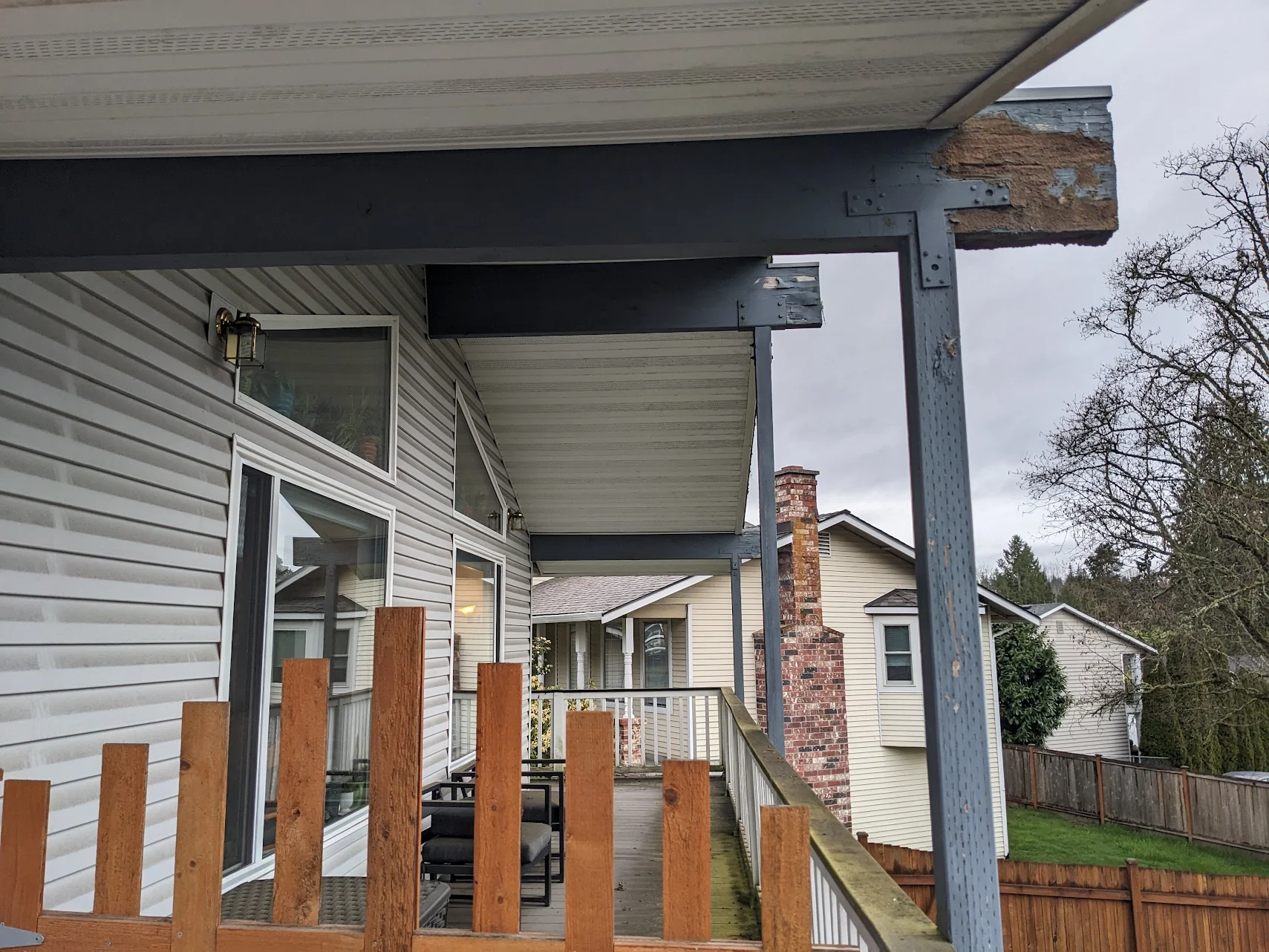
Cracked, Flaky Surfaces: Deep, grid-like cracking, sometimes called cuboidal cracking, is a hallmark of advanced dry rot damage. If you notice this pattern on siding or trim, the affected areas likely extend further inside than they appear.
Fungal Growth or White Strands: White, thread-like fungal growth around damp wood is a strong indicator of active decay. This growth spreads across surfaces and even non-wood materials, which is why a thorough inspection matters, not just a glance.
Sticking Doors or Windows: When frames swell, warp, or stick, it can point to trapped moisture behind the trim. This is easy to dismiss as settling, but it's often one of the earliest common signs homeowners overlook.
A Damp, Earthy Odor: A persistent musty or earthy smell, especially near crawl spaces or basements, usually means moisture and fungus are active nearby. Catching this early can prevent significant damage before it spreads to load-bearing areas.
Homeowners have plenty of choices when searching for a dry rot specialist, but not every company inspects the way we do. Rot Doctor built its reputation on honesty, treating every home the way we'd treat our own property.
Since 2020, Rot Doctor has completed dry rot repairs and property inspections across Bellevue, Seattle, and the surrounding Eastside. Homeowners return to us because we explain what we find in plain language, back it with photos, and never push work that isn't needed.
Our 5-star rating across 159 reviews reflects that approach. In their reviews, clients repeatedly point to our honesty and follow-through, the same qualities that guide every inspection we perform, whether it's a single soft board or a deeper structural concern.

A dry rot inspection covers a full visual check of framing, siding, decks, and other moisture-prone areas. Our team looks for soft spots, discoloration, and hidden decay, then documents everything so you know exactly what, if anything, needs dry rot repair.
Dry rot comes from fungus feeding on moisture-soaked wood, while termites are insects that physically eat through wood fibers. Both can look similar from the outside. We identify decay; if signs of insect damage show up, we note it in your report.
We focus on decay, not pests. If we notice signs of insect activity during the inspection, we'll flag it in your report so you know what to address.
Look for a licensed, insured company with real local reviews and a track record in your area, since not all dry rot contractors carry the same credentials. Rot Doctor shows up, inspects thoroughly, and explains results in plain terms.
Yes. Rot Doctor operates as a licensed, bonded, and insured dry rot repair contractor under license ROTDOD*768D9. That licensing confirms we meet the state's standards for dry rot repair work in Washington.
Absolutely! Rot Doctor repairs dry rot in decks, siding, floors, roofs, crawlspaces, and more to ensure your home remains safe and durable.
The timeline depends on the severity of the damage. Small repairs can take a few hours, while extensive restoration might take several days.
Ignoring dry rot can lead to severe structural damage, increased repair costs, and safety risks. It’s best to address it promptly.
Cost depends on the size of your home and how far the damage has spread. We visit first and give you an honest quote within 24 hours, so your Seattle dry rot inspection estimate reflects your actual repair needs, not a generic rate.


PEACE OF MIND, GUARANTEED
A dependable home dry rot inspection should give you more than a quick look and a guess. Every Rot Doctor visit includes a full walk-through, clear photos, and a straightforward explanation of what we found and why it matters for your home.
That clarity is what lets homeowners make confident decisions, whether that means a small repair, a bigger project, or simply peace of mind that nothing is wrong. We're here to give you facts, not pressure.
These are real experiences from homeowners we've helped throughout Seattle and the Eastside, shared in their own words after working with our inspection and repair team.