
.png)


.svg)
Why Bellevue Buyers Run Into Dry Rot More Than Most
Bellevue sits in a pocket that stays wet for a good chunk of the year, and exterior wood pays for it. Long rainy stretches from October through spring keep siding, decks, and trim from ever fully drying out, which is exactly the damp-then-dry cycle dry rot needs to take hold.
A few things make Eastside homes especially prone to it:
- Shaded, tree-heavy lots near greenbelts in Somerset, Newport, and West Bellevue stay damp long after the rain stops
- Older homes with cedar siding, wood-framed windows, and wood decks give rot plenty to feed on
- Homes tucked against slopes or mature landscaping get less sun and airflow on the north and east faces
- A recent, spotless repaint can be a reason to look closer, not relax, since fresh paint is the easiest way to hide a soft spot
None of this means a Bellevue home is a bad buy. It just means the walkthrough matters more here than it would in a drier climate.
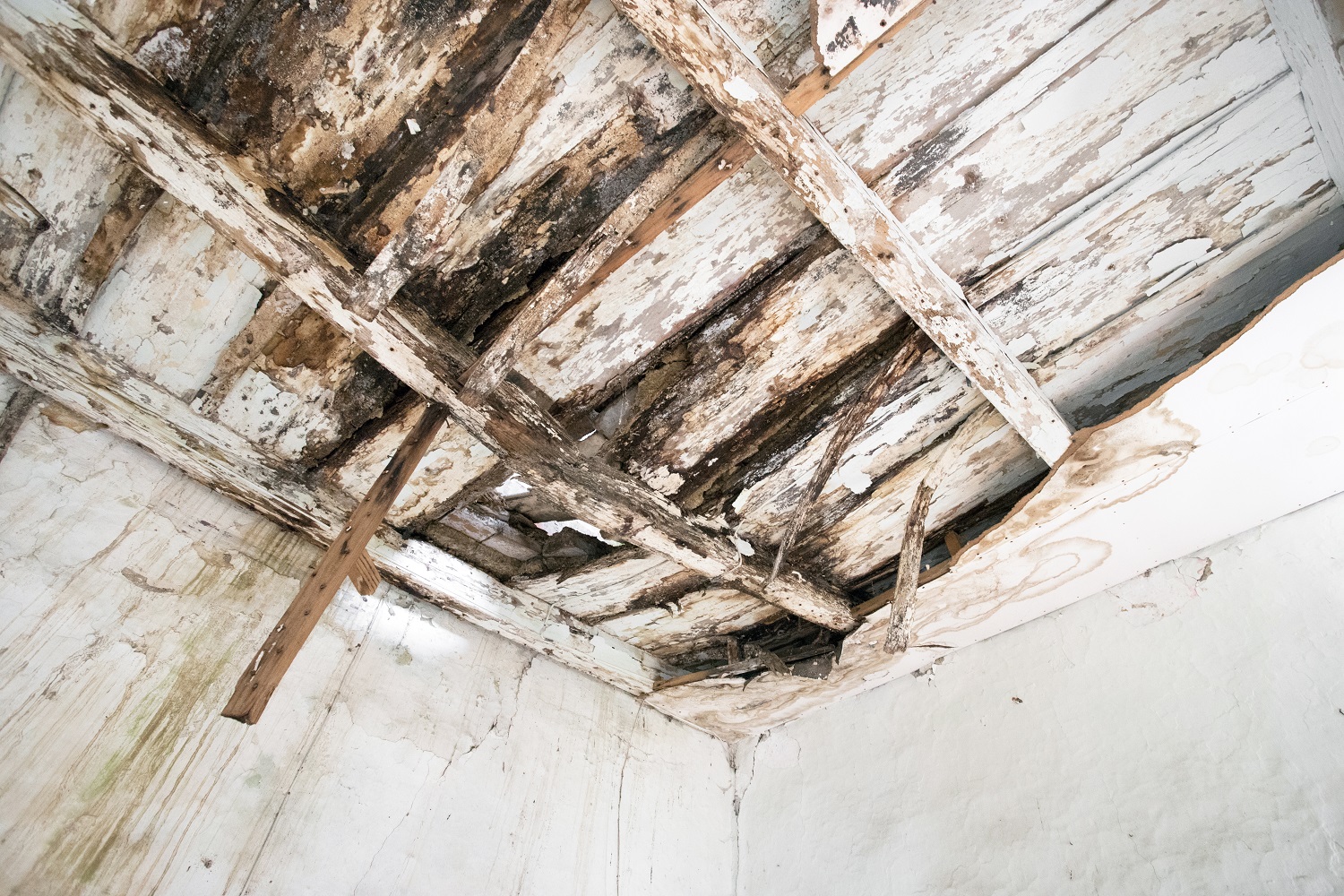
If the term itself is new to you, dry rot is a wood decay caused by fungus that takes hold once timber stays damp long enough. It quietly breaks the wood down from the inside, which is why a board can look solid under fresh paint yet give or flake when you press it.
It doesn't need standing water to spread, just the steady damp conditions our climate hands out for months at a time, and that's exactly what makes a careful look worth your while before you commit to a house.
What You Can Actually Check at a Showing (and What You Can't)
Here's the honest limitation: you're a guest in someone else's house for maybe 30 minutes, and you can't take the place apart. Knowing how to identify dry rot at a showing starts with knowing the boundary of what you can actually reach.
What you can do at a showing:
- Press on any exposed wood you can reach with a thumb
- Read the paint and caulk for patch jobs and cover-ups
- Walk the deck and bounce lightly on the boards
- Smell the air near the crawl space hatch or garage
- Check window sills and door frames within reach
For a deeper look at how to read the signs, including what the screwdriver test can and can't tell you, our guide to identifying dry rot walks through the full diagnostic process.
What you can't do (and shouldn't try):
- Pull up carpet or flooring
- Open walls or remove siding
- Use a moisture meter on someone else's home
- Get behind or under anything sealed
That gap is the whole point of this dry rot checklist for homebuyers: it gets you confident enough to make or hold an offer, but only a professional read tells you how deep a problem actually goes.
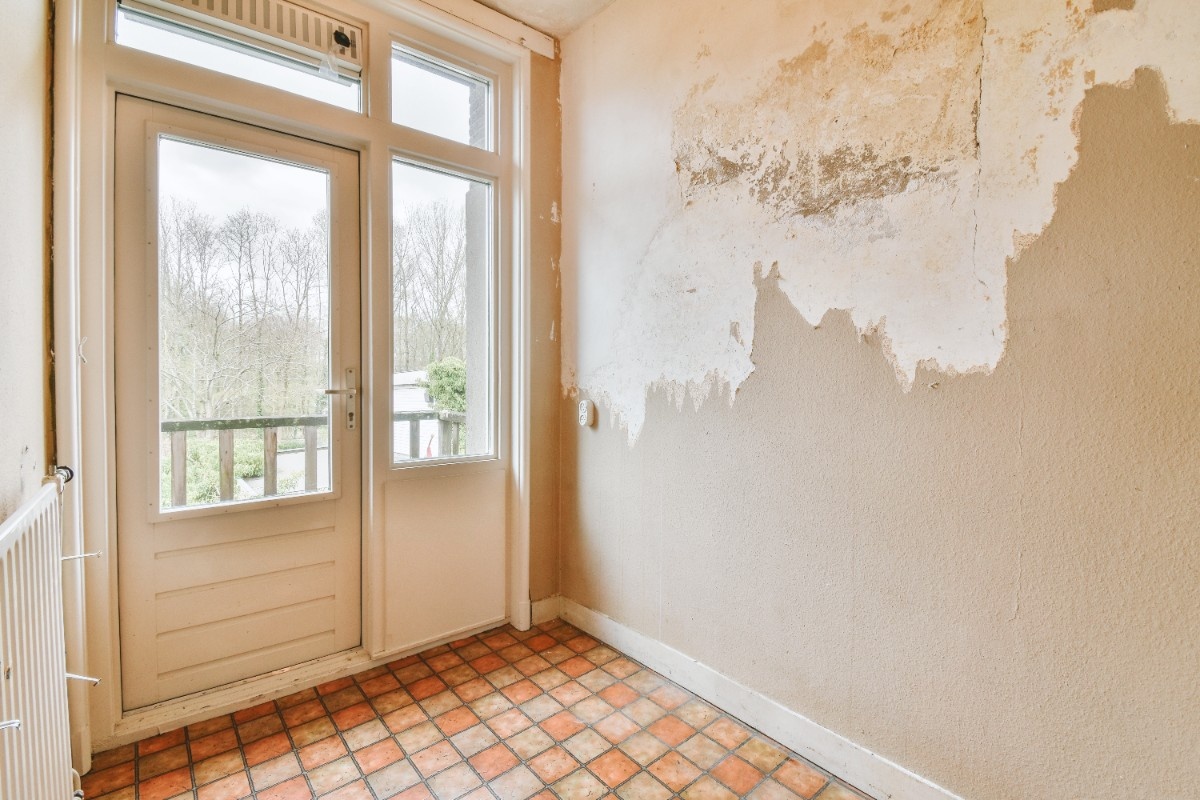
Your Room-by-Room Dry Rot Checklist for Homebuyers
Work the house the way you'd naturally walk it, from the outside in. Rot shows up first where water lingers, so spend your time there.
Start Outside: Siding, Trim, and Fascia
The exterior takes the full brunt of Bellevue's wet season, so this is where you'll usually find the first hint.
- Press corner boards, trim, and fascia where you can reach them; healthy wood feels firm, rot feels soft or spongy
- Look for paint that bubbles or peels in the same spot no matter how recently it was painted
- Watch for a cracking pattern that looks like small cubes or a checkerboard, known as cuboidal cracking, a classic dry rot tell
- Check skirting boards and the base of exterior walls, where moisture tends to collect
The Deck, Railings, and Stairs
Bellevue decks live under rain and tree cover for months, so give this area real attention.
- Bounce gently on the boards; a springy or slightly giving feel points to weakened wood underneath
- Wobble the railing and push on the posts, especially where they meet the ground or concrete
- Check the stair stringers and any spot where two boards meet and trap water
For a detailed look at how deck rot spreads from boards into structural framing, our deck wood rot repair guide explains what a specialist looks for under the surface.
Windows and Door Frames
Water pools in the low corners of frames, so that's where to press.
- Push on the lower sill corners; give or softness there is a warning sign
- Look for caulk that's failed, cracked, or been layered on thick to bridge a gap
- Run your eye along the window frames and door frames for paint that's lifting or wood that's darkened, both signs moisture has been sitting there
The Crawl Space Entry and Foundation Line
You won't crawl under during a showing, but you can still learn a lot standing at the hatch.
- Take a breath near the crawl space vent or entry; a heavy musty smell means trapped moisture
- Look at where the siding meets the soil, a common Eastside damp point on sloped lots
- Scan any exposed framing you can see from the hatch for darkened or softened wood, especially near posts and beams
Look Up: Roofline, Gutters, and Downspouts
Rot is a moisture problem, so trace where water is supposed to leave the house.
- Check that gutters and downspouts actually carry water away from the walls and foundation
- Look for staining or streaking on siding below gutter seams, a sign water has been running where it shouldn't
How to Spot Dry Rot a Seller Painted Over
Sellers prepping a Bellevue home for market often tidy up the exact spots you most want to see. A little skepticism goes a long way here, and these are the dry rot red flags worth slowing down for.
- Fresh paint on one isolated board or corner while the rest of the house looks weathered
- Brand-new trim, fascia, or a single replaced deck board on an otherwise older home
- Caulk applied thick and recent, especially bridging a gap that looks like it's hiding a soft edge
- A patch of new siding that doesn't quite match the surrounding run
A cover-up isn't proof of rot, and it isn't proof of dishonesty either. Plenty of sellers repair things properly before listing. But a quick look only tells you something was addressed, never whether it was fixed right.
%20(1).webp)
You Found Something. What's Your Move Before Closing?
First, don't panic and don't walk away on the spot. Running through this dry rot checklist for homebuyers in Bellevue is meant to surface concerns early, and a soft spot caught at a showing is leverage, not a dealbreaker, because you found it before signing anything.
Your general home inspector will likely note "possible dry rot" or "moisture damage" somewhere in the report, but that's usually where they stop. They flag it; they rarely trace how deep it runs or whether it's hit anything load-bearing. For that answer before your closing date, you want a specialist who can put it in writing. That's where a pre-purchase dry rot inspection in Bellevue earns its keep, giving you a documented diagnosis you can take straight into negotiations.
If you want to study the physical cues more closely before your next showing, the full rundown of dry rot warning signs is worth a read alongside this checklist.
A written diagnosis does more than confirm a problem, it gives you options at the table. With a specialist's report and repair estimate in hand, you can ask the seller to knock the repair cost off the price, request they fix it before closing, or fold a credit into the deal so you can handle it your way afterward. Without that documentation, you're negotiating on a hunch, and sellers rarely move on a hunch. In a competitive Bellevue market where offers move fast, having the numbers in writing is often the difference between a fair adjustment and eating the cost yourself.
Buy the House, Not the Rot
A dry rot checklist for homebuyers like this one tells you where to look and what soft, spongy, or freshly-painted-over wood is trying to tell you. What it can't tell you is how far the damage has traveled behind the paint, or whether it's reached framing you can't see. That's the part that needs a specialist.
The good news: buying a house with dry rot isn't the disaster it sounds like, as long as you catch it before you sign. Most rot found early is both fixable and negotiable. It's the rot discovered after closing that turns into a bill nobody budgeted for.
If a walkthrough in Bellevue or anywhere across the Eastside turns up something soft, spongy, or painted over in a way that makes you wonder, the team at Rot Doctor can take a closer look before you commit. Contact us for a free estimate and walk into your closing knowing exactly what you're buying, not hoping for the best.
FAQs
Can I really check for dry rot myself during a showing?
Yes, to a point. You can press exposed trim and railings, read the paint and caulk, bounce-test a deck, and smell for musty air near a crawl space. What you can't do is open walls or measure moisture, so treat your check as a screen that tells you whether to dig deeper, not a final verdict.
Is dry rot a dealbreaker when buying a Bellevue home?
Rarely, if you catch it before making an offer. Early-stage rot is usually repairable, and finding it gives you room to negotiate the price or ask the seller to fix it. It only becomes a real problem when it's extensive, structural, or discovered after you've already closed.
What does dry rot look like when a seller has painted over it?
Watch for fresh paint on a single isolated board or corner, brand-new trim on an otherwise weathered house, or thick recent caulk bridging a gap. The wood underneath may still feel soft when pressed, even if the surface looks perfect.
Where should I check first in an older Eastside home?
Start with the exterior wood that stays wettest: fascia, siding seams, deck posts, and window sills, especially on the shaded north and east sides of the house. Homes near greenbelts or under heavy tree cover in areas like Somerset and Newport tend to show it there first.
Can a seller legally hide dry rot before a sale in Washington?
Washington requires sellers to disclose known material defects on the Form 17 disclosure statement, which includes known rot or moisture damage. That said, disclosure depends on what the seller actually knows, so a cosmetic cover-up can still slip through. This is general information, not legal advice, so confirm specifics with your agent or a real estate attorney.
Should I get a specialist inspection if my home inspector already flagged rot?
If the flag matters to your decision, yes. General inspectors note that rot may be present, but a dry rot specialist can tell you how deep it goes, whether it's structural, and what repair will cost, all in writing you can use before your closing date.
Does Bellevue's climate actually make dry rot more likely?
It does. The Eastside's long wet season keeps exterior wood damp for months, and shaded, tree-heavy lots slow drying even further. That damp-and-dry cycle is exactly what dry rot needs, which is why local buyers benefit from checking more carefully than they might in a drier region.
How much time does a dry rot walkthrough add to a showing?
Not much. A focused pass over the deck, exterior trim, window sills, and crawl space entry adds maybe five to ten minutes. It's the cheapest insurance you'll find against inheriting someone else's moisture problem.

.svg%20fill.svg)





.svg)